
Four top-10 country singles, a record-breaking Billboard debut and an ARIA Award made Keith Urban’s 2006 album one of the defining releases of his American career.
Keith Urban’s Love, Pain & The Whole Crazy Thing reaches its 20th anniversary on 7 November 2026, marking two decades since the Australian singer released one of the most successful albums of his international career. The 2006 record delivered four consecutive US top-10 country singles, debuted at No. 1 on the Billboard Top Country Albums chart and earned Urban the 2007 ARIA Award for Best Country Album.
Released through Capitol Nashville on 7 November 2006, Love, Pain & The Whole Crazy Thing followed the success of Golden Road and Be Here, albums that had established Urban as one of country music’s most commercially successful contemporary artists. The fifth studio album in his catalogue continued that momentum while allowing him to explore a broader musical range.
Urban shared production duties with Dann Huff across most of the record, with two tracks, “Tu Compañía” and “Got It Right This Time”, produced by Urban alone. The resulting album moved between contemporary country, rock, soul and more reflective balladry, retaining the polished production that had become a feature of his American recordings.
The first indication of the album’s commercial strength came with its lead single, “Once In A Lifetime”. The song made Billboard chart history when it debuted at No. 17 on the Hot Country Songs chart dated 2 September 2006. At the time, it was the highest debut position ever achieved by a country single in the chart’s 62-year history.
Although the song eventually peaked at No. 6 rather than reaching the summit, its opening chart performance established a new benchmark for Urban. The record would subsequently be surpassed by Kenny Chesney and Garth Brooks, but the debut remains an important milestone in the Australian artist’s rise in the United States.
The singles campaign continued with three more successful releases. “Stupid Boy”, written by Sarah Buxton and Dave Berg and previously recorded by Buxton, reached No. 3. Urban’s own composition “I Told You So” climbed to No. 2, while “Everybody”, co-written with Richard Marx, reached No. 5.
Four consecutive top-10 country singles represented an impressive commercial run. Interestingly, Love, Pain & The Whole Crazy Thing became Urban’s first American studio album to produce four top-10 country hits without delivering a No. 1 single.
The album’s appeal extended beyond its radio releases. “Raise The Barn”, featuring Ronnie Dunn of Brooks & Dunn, was written in response to Hurricane Katrina and brought a different dimension to the collection. Its subject matter reflected the devastation caused by the disaster and the importance of rebuilding communities.
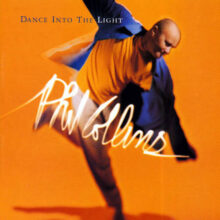
Urban also reached outside the contemporary country repertoire for “I Can’t Stop Loving You”, a song written by Billy Nicholls and previously recorded by Leo Sayer and Phil Collins. The inclusion demonstrated his interest in drawing from different musical traditions rather than relying exclusively on original country material.
Another distinctive track was “Tu Compañía”, which introduced Spanish-language elements to the album. “God Made Woman” expanded the production further with contributions from the Metro Voices choir and boy sopranos from The Choristers of Reigate St Mary.
Urban’s musicianship was central to the album’s sound. Alongside his lead vocals, he contributed acoustic and electric guitars, mandolin, bouzouki, slide guitar, piano, keyboards, bass, ganjo, percussion and programming. The extensive instrumental involvement reinforced his position as more than a vocalist within the production process.
The supporting musicians included guitarist Tom Bukovac, drummer Chris McHugh, bassist Jimmie Lee Sloas and keyboard player Tim Lauer, with Dann Huff also contributing guitar and percussion. David Campbell provided string arrangements, while Michael Omartian handled horn arrangements on selected tracks.
Commercially, the album made an immediate impact. It debuted at No. 1 on Billboard’s Top Country Albums chart and No. 3 on the Billboard 200, confirming Urban’s ability to compete beyond the country market.
In Australia, Love, Pain & The Whole Crazy Thing reached No. 5 on the ARIA Albums Chart and achieved platinum certification. It also received platinum certifications in the United States and Canada. Its 2007 year-end performance placed it at No. 4 on the US Top Country Albums chart and No. 26 on the Billboard 200.
The original North American edition contained 13 tracks and ran for just over an hour. International editions differed slightly, with some territories omitting “Raise The Barn”. The Japanese edition added “Gotta Let It Go”, while the digital iTunes version included “Slow Turning” as a bonus track.
The album’s place in Urban’s career becomes clearer when viewed against the releases that surrounded it. Golden Road had delivered his major American breakthrough, while Be Here consolidated his position as a mainstream country star. Love, Pain & The Whole Crazy Thing demonstrated that the success was sustainable, producing another substantial collection of radio hits and achieving strong sales across multiple markets.
The following year, Urban released Greatest Hits: 18 Kids, bringing together the songs that had established his American career to that point. Love, Pain & The Whole Crazy Thing was an important part of that story, representing a period when his songwriting, instrumental ability and commercial appeal were working together particularly effectively.
Two decades later, the album remains notable for the consistency of its singles campaign and the range of material contained across its 13 tracks. Its record-setting opening for “Once In A Lifetime”, four top-10 country hits and ARIA recognition give it a substantial place in the history of Urban’s recording career.
For an Australian artist who had successfully established himself in Nashville, Love, Pain & The Whole Crazy Thing was another significant step in turning an international breakthrough into a lasting career.
Keith Urban – Love, Pain & The Whole Crazy Thing (2006)
1. Once In A Lifetime
2. Shine
3. I Told You So
4. I Can’t Stop Loving You
5. Won’t Let You Down
6. Faster Car
7. Stupid Boy
8. Used To The Pain
9. Raise The Barn (featuring Ronnie Dunn)
10. God Made Woman
11. Tu Compañía
12. Everybody
13. Got It Right This Time
Bonus Track (iTunes Edition)
14. Slow Turning
Stay updated with your free Noise11.com daily music news email alert. Subscribe to Noise11 Music News here
Be the first to see NOISE11.com’s newest interviews and special features on YouTube. See things first—Subscribe to Noise11 on YouTube
Follow Noise11.com on social media:
Bluesky
Facebook – Comment on the news of the day