
Sixty years after its release, The Cyrkle’s debut album Red Rubber Ball remains a snapshot of mid-1960s American pop, driven by the enduring success of its title track, co-written by The Seekers’ Bruce Woodley and Paul Simon.
by Paul Cashmere
June 30, 2026 marks the 60th anniversary of Red Rubber Ball, the debut album from American band The Cyrkle, a record that captured a brief but significant moment in the evolution of folk rock and pop during the mid-1960s. Released through Columbia Records in 1966, the album produced two major hit singles and introduced one of the defining songs of the era, the million-selling title track “Red Rubber Ball”.
While The Cyrkle’s recording career was relatively short, Red Rubber Ball occupies an interesting place in popular music history. The album arrived during a period when folk influences and guitar-driven pop were converging on American radio. Alongside acts such as The Lovin’ Spoonful and Simon & Garfunkel, The Cyrkle offered a more melodic and commercially accessible variation of the emerging folk rock sound.
The centrepiece of the album remains “Red Rubber Ball”, written by Paul Simon and Australian songwriter Bruce Woodley of The Seekers. The song’s upbeat arrangement contrasted with lyrics dealing with heartbreak and emotional recovery. Released as a single in May 1966, it climbed to No. 2 on the Billboard Hot 100 and reached No. 1 in Canada. The record sold more than one million copies and earned a gold disc.
The songwriting partnership between Simon and Woodley would prove productive during this period. Another song on the album, “Cloudy”, also carried their co-writing credit. The success of “Red Rubber Ball” further highlighted Woodley’s contribution to international pop music at a time when The Seekers were themselves among Australia’s most successful global exports.
Elsewhere, the album featured a collection of concise, radio-friendly songs that reflected the musical currents of the period. “Turn-Down Day”, written by Jerry Keller and David Blume, became The Cyrkle’s second major hit, peaking at No. 16 in the United States and Canada. Original compositions by band members Don Dannemann and Tom Dawes, including “Big Little Woman”, “Cry”, “How Can I Leave Her” and “Money To Burn”, demonstrated the group’s growing confidence as songwriters.
The record also featured material from outside writers. “Baby, You’re Free”, penned by Bob Crewe and Gary Weston, added another pop dimension, while the inclusion of Larry Williams’ “Bony Moronie” nodded to the rock and roll foundations that had shaped the band’s sound.
Red Rubber Ball reached No. 47 on the Billboard Top LPs chart and No. 32 on the Cashbox album chart. Although the album did not become a major commercial blockbuster, its singles gave The Cyrkle a significant presence on American radio in 1966.
The band’s story also intersects with The Beatles. Originally performing under the name The Rhondells, the group was discovered by Brian Epstein, manager of The Beatles. Epstein renamed them The Cyrkle, a spelling reportedly suggested by John Lennon. In 1966, The Cyrkle opened on 14 dates of The Beatles’ final US tour and appeared at both Dodger Stadium and Candlestick Park, the latter becoming The Beatles’ final paid concert performance.
After releasing Red Rubber Ball, The Cyrkle quickly followed with a second album, Neon, and later recorded the soundtrack to the film The Minx. By 1968 the original group had disbanded. Members subsequently built careers outside performing. Tom Dawes became one of America’s most successful advertising jingle writers, creating the famous “Plop Plop Fizz Fizz” campaign for Alka-Seltzer and producing albums for Foghat. Don Dannemann also established a successful career in advertising music.
Interest in The Cyrkle resurfaced decades later. Beginning in 2016, surviving members reunited with Ohio musicians to revive the band and return to live performance. Their resurgence eventually led to the release of the 2024 album Revival, demonstrating the enduring affection audiences still hold for the music first recorded six decades earlier.
Sixty years on, Red Rubber Ball remains the defining statement of The Cyrkle’s brief recording career. More significantly, the title song stands as a lasting reminder of Bruce Woodley’s role in shaping one of the most recognisable folk pop records of the 1960s and of an era when a three-minute pop song could connect artists from Australia and America on a global stage.
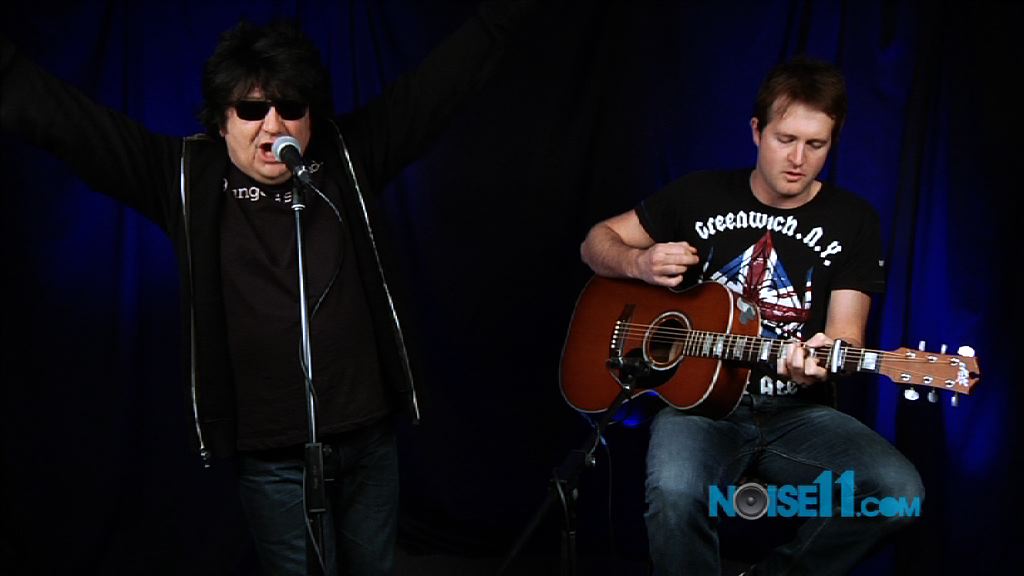
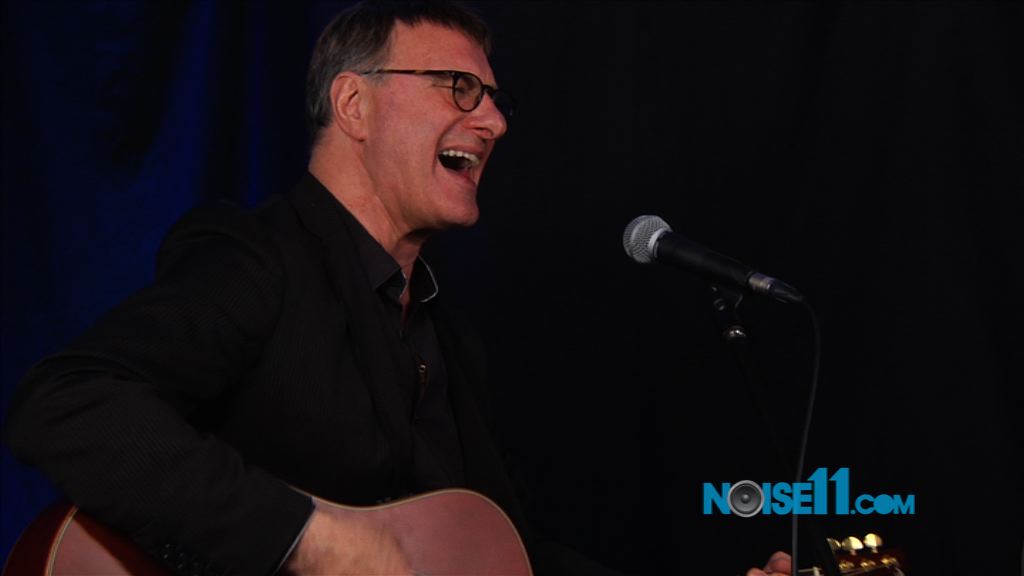
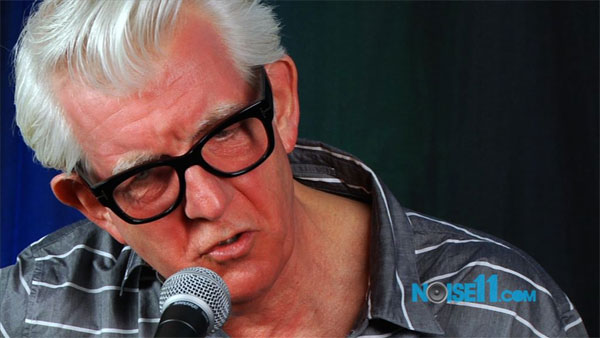
The Noise11 interview:
Tracklisting
Side 1
Red Rubber Ball
Why Can’t You Give Me What I Want
Baby, You’re Free
Big Little Woman
Cloudy
Cry
Side 2
Turn-Down Day
There’s A Fire In The Fireplace
Bony Moronie
How Can I Leave Her
Money To Burn
Stay updated with your free Noise11.com daily music news email alert. Subscribe to Noise11 Music News here
Be the first to see NOISE11.com’s newest interviews and special features on YouTube. See things first-Subscribe to Noise11 on YouTube
Follow Noise11.com on social media:
Facebook – Comment on the news of the day
Bluesky
Instagram
X (Twitter)