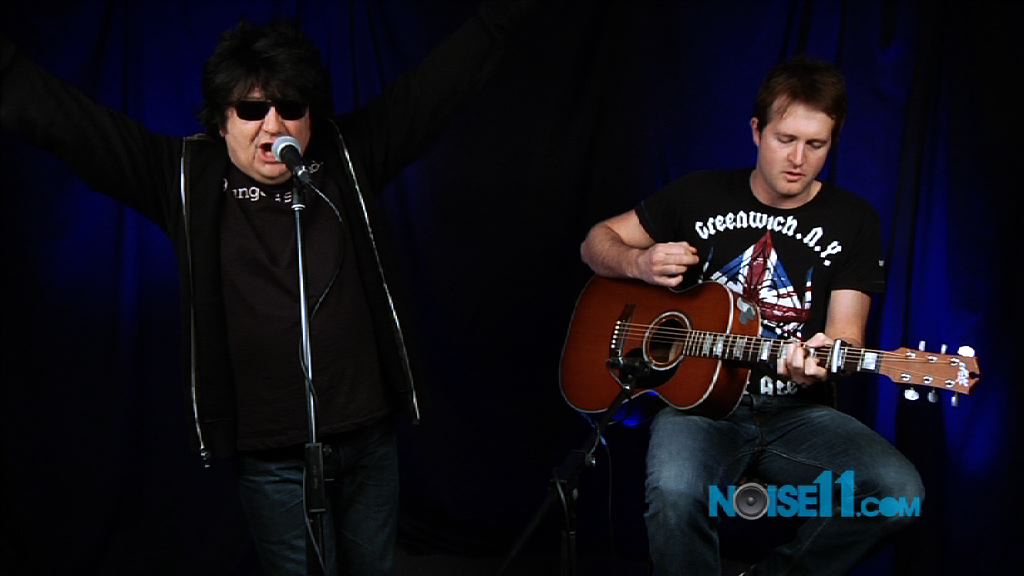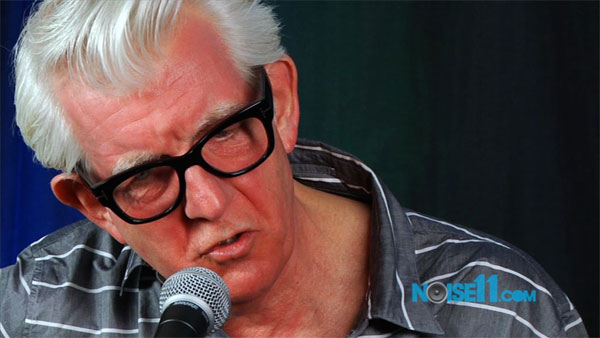

Australian music pioneer Mike Rudd and his seminal progressive rock outfit Spectrum are the focus of a new 40-minute documentary exploring the history of their 1971 chart-topping single, I’ll Be Gone. Independent filmmaker Chris Franklin has released the documentary, titled Someday I’ll Have Money, on YouTube, detailing how a simple, whimsical song written in Melbourne became a permanent fixture of Australia’s cultural fabric.
by Paul Cashmere
The film has quickly generated significant interest, accumulating more than 23,000 views within its first week of release.
The documentary shows a crucial piece of historical preservation, examining why a song written more than half a century ago continues to resonate across generations. For the Australian music industry, the story of I’ll Be Gone represents a pivotal moment when local artists began defining their own countercultural identity, breaking free from traditional broadcast rules and industry standards.
It highlights the transition of Australian popular music from standard beat group covers into complex, self-penned progressive rock.
Someday I’ll Have Money features final reflections from original Spectrum drummer Mark Kennedy, who passed away shortly before the film was completed. It also features commentary from singer-songwriter Ross Wilson of Daddy Cool, producer Howard Gable, and television presenter Brian Nankervis. Franklin spent more than 25 years capturing visual stories of the local arts scene before focusing his lens on Rudd. Franklin noted that Rudd’s quiet influence on the industry deserved to be archived while the primary creators are still here to tell it.
In the documentary, Rudd admits to feeling amused and slightly irritated when listeners misquote his opening lyric by adding extra words, pointing out that it disrupts the natural scan of the line. Gable remembers his immediate reaction to recording the track, recalling that the band was playing beautifully and he knew they had a hit on their hands before they even started mixing. The recording itself was remarkably raw, completed rapidly at Armstrong’s studios in Albert Park with only one instrument overdub.
Formed in Melbourne in 1969, Spectrum established themselves as a key progressive rock band. Their debut single, released on EMI’s progressive imprint Harvest Records in January 1971, was actually delayed for several months due to the 1970 radio ban, which saw a major dispute over royalty payments between commercial radio and record labels. Despite the delay, the song eventually reached number one on the national charts in May 1971.
Unusually for the era, Rudd refused to allow the hit single to appear on Spectrum’s debut album, Spectrum Part One, which was released in March 1971. In the documentary, Rudd reflects on how record companies in the early 1970s tolerated such creative decisions, allowing the band to keep the pop single separate from their more experimental, long-form album tracks.
To assist the single’s rise, filmmaker Chris Löfvén shot one of Australia’s earliest promotional music videos, capturing Rudd walking down a dusty outback road, which found an audience on the ABC youth music program GTK.
The legacy of I’ll Be Gone was formally cemented in 2001 when the Australasian Performing Right Association (APRA) named it one of the top 30 Australian songs of all time. It has also been covered extensively by a diverse roster of artists, including Manfred Mann’s Earth Band, who recorded the song for their 1974 album The Good Earth, alongside the B-side “Launching Place Part Two”.
Other notable interpretations include a country-infused rendition by John Williamson in 1984, a recording by Palladium for the film Dirty Deeds, and a cover by John Schumann and the Vagabond Crew in 2008. The original B-side, “Launching Place Part Two”, written to promote a minor Victorian music festival in 1970, was later sampled by Melbourne alternative rock outfit TISM on their 2004 track “As Seen on Reality”.
Someday I’ll Have Money illustrates that Rudd’s artistic decisions were never driven by commercial greed, but by a desire to create a lasting musical path. As the documentary remains accessible on YouTube, it stands as a testament to the enduring nature of the Australian pub and progressive rock era. The film ensures that the stories of the musicians who constructed the local industry will remain preserved for future generations of listeners.
Watch the documentary here:
Stay updated with your free Noise11.com daily music news email alert. Subscribe to Noise11 Music News here
Be the first to see NOISE11.com’s newest interviews and special features on YouTube. See things first—Subscribe to Noise11 on YouTube
Follow Noise11.com on social media:
Bluesky
Facebook – Comment on the news of the day