
Melbourne’s Moler have emerged from a long hiatus with a second album, 69, more than two decades after their ARIA-nominated debut Golden Duck, marking a renewed chapter for one of Australia’s most enduring cult rock bands.
by Paul Cashmere
For fans of Melbourne’s underground rock scene, the name Moler evokes the raw guitar-driven energy and melodic inventiveness that characterised the late 1990s. Fronted by Helen “Hellcat” Cattanach, the band’s debut album, Golden Duck, earned critical acclaim and a Best Rock Album nomination at the ARIA Awards. Following international tours supporting the likes of Weezer and Ash, Moler disbanded in the 2000s, with members moving on to separate projects.
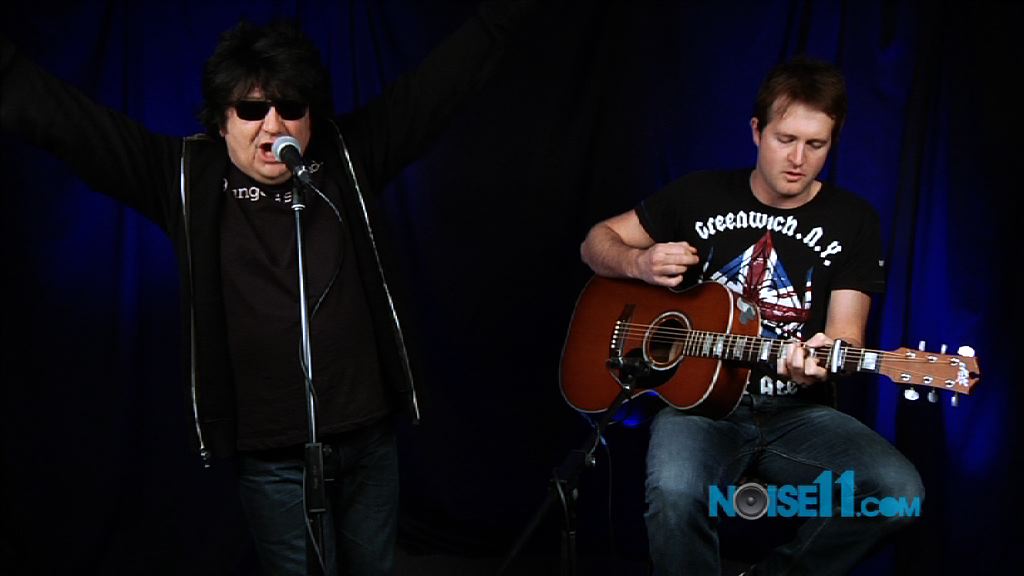
Watch the Noise11 Moler interview:
What started as a casual reunion gig in the lead-up to COVID has now transformed into a fully realised second album, 69, released 27 years after their first record. Cattanach describes the process as “natural” rather than forced, with a renewed lineup including guitarist JJ McCann, who joined after the original guitarist moved abroad. “Once the lineup clicked, making a record felt like the next step,” she said.
Recorded largely live with minimal overdubs, 69 captures the immediacy of Moler’s live sound, with ten tracks designed to fit seamlessly into the band’s setlist. The album explores contemporary themes like artificial intelligence and digital culture, reflecting the social landscape of 2026, while maintaining the proto-punk and garage rock influences that shaped their early work. “Back in the ’90s, we wrote about what people were talking about at the time,” Cattanach said. “Now, AI is everywhere – it’s fascinating how the conversation around technology intersects with art today.”
69 features three vocalists – Cattanach, drummer Dave Peacock and multi-instrumentalist James ‘JJ’ McCann – contributing collaboratively to the songwriting and vocal arrangements. Tracks like AI, which opens the album, highlight this democratic approach, while songs such as Rocky nod to influences like Roky Erickson, blending homage with original lyrics and riffs. One track even emerged from a dream, an almost surreal songwriting moment that underscores the album’s creative vitality.
Reflecting on the past, Cattanach recalls the significance of Golden Duck and the band’s early tours. “Being nominated for an ARIA and touring internationally taught us confidence,” she said. “Playing bigger crowds was initially intimidating, but it showed us how to bring energy and connect with audiences.” Recording 69 in 2026, largely in home studios and with relaxed weekend sessions alongside producer Michael Alonso at Caution Horses, stands in stark contrast to the tight, tape-based sessions of the late ’90s.
While Moler still performs four or five songs from Golden Duck live, the band sees 69 as a continuation of their story rather than a reboot. “It’s a sequel,” Cattanach explained. “It draws from where we started but is very much its own beast.” With the possibility of a third album on the horizon, Moler have firmly re-established themselves as a revitalised force in Australian rock, blending decades of experience with the raw immediacy of their original sound.
Moler live
March 21, Melbourne, The Tote
Stay updated with your free Noise11.com daily music news email alert. Subscribe to Noise11 Music News here
Be the first to see NOISE11.com’s newest interviews and special features on YouTube. See things first—Subscribe to Noise11 on YouTube
Follow Noise11.com on social media:
Bluesky
Facebook – Comment on the news of the day