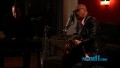

Ian Shaw’s play about the strained making of Jaws, co-written with Joseph Nixon, is now running in Melbourne with a strong local cast capturing the friction between Robert Shaw, Richard Dreyfuss and Roy Scheider.
by Paul Cashmere
The Shark Is Broken is currently playing at Melbourne’s Athenaeum Theatre, bringing to Australian audiences the tense, often comic behind-the-scenes story of the 1974 filming of Jaws through the eyes of its three lead actors.
Written by Ian Shaw, son of the late Robert Shaw, and Joseph Nixon, the play focuses on the long delays caused by the repeatedly malfunctioning mechanical shark and the claustrophobic pressure that built between the three men trapped on the Orca. What began as a delayed shoot became a pressure cooker of egos, insecurity and alcohol. The Melbourne production, directed by Luke Joslin and presented by Storeyboard Entertainment in association with Stoddart Entertainment Group, runs until 7 November.
Ian Shaw has drawn on years of family stories about the production. He and Nixon first staged the work in Brighton in 2019, followed by the Edinburgh Fringe, a delayed West End run in 2021 and Broadway in 2023. Ian Shaw himself played his father in earlier seasons. The Melbourne season is a new Australian production rather than a touring replica, and that decision has paid off in the detail of the staging and the performances.
James Browne’s set places the familiar Orca centre stage, complete with scaffolding, cameras, ropes and a working chimney. Cameron Smith’s large video screen supplies an ever-moving ocean, changing light and weather, from calm sunrise to night and storm. Jasmine Rizk’s lighting and Sean Peter’s original music, which nods to John Williams without simply copying it, complete the immersion. The effect is immediate: the audience is on the water with the three actors as the crew waits yet again for the shark, nicknamed Bruce, to function.
The year is 1974. Steven Spielberg is a young director still finding his way. The film is already over budget and weeks behind schedule. On the boat are Robert Shaw, the experienced British stage and screen actor playing Quint; Richard Dreyfuss, the ambitious younger American playing Hooper; and Roy Scheider, the steadier presence as Chief Brody. Shaw drinks heavily. Dreyfuss is anxious and insecure. Scheider tries to keep the peace while reading the papers and absorbing the sun.
Their professional and personal differences surface repeatedly.
Anthony Gooley plays Robert Shaw with a mixture of charm, aggression and underlying pain. He captures both the larger-than-life presence and the man who could turn cruel when the drink and the boredom took hold. Robin Goldsworthy finds the high-pitched nervous energy and restless mannerisms of Richard Dreyfuss, showing the insecurity beneath the bravado. Tom Stokes gives Roy Scheider a quiet watchfulness and dry humour, the man who sees more than he says and occasionally has to step between the other two.
The dialogue lands some of the sharpest moments of the production. Dreyfuss frets about the water with the line “Jews should stay away from water. Nothing good ever happened to any Jew on the water!” Scheider fires back with deadpan timing: “Didn’t Jesus walk on water?” Later Dreyfuss questions the film’s future, asking “Do you really think people are going to be talking about this in fifty years?” Shaw cuts through any search for deeper meaning with a blunt “It’s a movie about a shark.” These exchanges keep the banter alive while revealing the characters’ different ways of coping with the endless waiting.
The play does not pretend the friction was invented. Richard Dreyfuss has spoken in later years about Robert Shaw’s competitive nature and the way the older actor would needle him, sometimes just before the cameras rolled, or challenge him into physical risks. The script uses that documented tension without turning it into pure caricature. There are laughs at the expense of the endless delays, the doubt that the film would ever be a success, and the absurdity of the situation. There are also quieter moments in which the three men reveal more personal histories, including the weight of absent fathers and the question of what success actually means.
Joslin keeps the ninety-minute running time (no interval) moving with clear peaks and troughs. The film-crew business around the edges of the stage, the clapper boards and the occasional appearance of stage management as part of the world all reinforce the sense that the audience is watching both a play and a film set in trouble. When the mechanical shark’s broken fin is wheeled across the stage, the laugh is genuine because the audience already knows the real problems were human as much as technical.
The Shark Is Broken is not a documentary. It is a crafted comedy-drama that uses the known difficulties of the Jaws shoot to examine ego, fear and the strange brotherhood that can form under pressure. For Melbourne audiences it offers both a sharp piece of theatre and a reminder of how close one of the most successful films of its era came to falling apart. The production is tight, the design is striking, and the three central performances land with clarity and force.
Melbourne dates:
Athenaeum Theatre, 188 Collins Street, Melbourne, until 7 November 2026.
https://www.athenaeumtheatre.com.au
Stay updated with your free Noise11.com daily music news email alert. Subscribe to Noise11 Music News here
Be the first to see NOISE11.com’s newest interviews and special features on YouTube. See things first—Subscribe to Noise11 on YouTube
Follow Noise11.com on social media:
Bluesky
Facebook – Comment on the news of the day