
The Aerosmith frontman’s civil case was due to begin this month, but the judge overseeing the proceedings has recused herself after disclosing a potential conflict, leaving the next trial date uncertain.
by Paul Cashmere
The civil sexual abuse lawsuit against Aerosmith frontman Steven Tyler has been thrown into fresh uncertainty after Los Angeles County Superior Court Judge Patricia A. Young recused herself less than two weeks before the scheduled trial, removing the September 28 trial date from the immediate timetable.
Young disclosed a potential basis for disqualification to lawyers for Tyler and plaintiff Julia Misley, formerly Julia Holcomb, on September 14. The parties were given the opportunity to waive the issue and allow Young to continue, but no agreement was reached.
“As a result of the parties not waiving, I will officially disqualify,” Young said during the hearing. She added that once she discovered the basis for her disqualification, she stopped taking further action on unresolved matters in the case.
The exact nature of the conflict has not been publicly disclosed in the court notice. Reports surrounding the hearing have indicated that Young had consulted another judge about the litigation and subsequently discovered an issue connected with that judge’s previous involvement in the case. That explanation has not been formally detailed by the court and should not be treated as a finding of wrongdoing by anyone involved.
The immediate consequence is that the case must be reassigned to another judge. A status conference before Supervising Judge Lawrence Riff was scheduled for September 18 to deal with the reassignment and the question of whether the matter remained ready for trial. No new trial date has been publicly confirmed following Young’s departure.
The development comes after the lawsuit had already been substantially narrowed.
Misley filed the civil action in December 2022, alleging that Tyler sexually assaulted and sexually abused her during a relationship that began in 1973, when she was 16 and Tyler was in his mid-20s. She also alleged that Tyler became her legal guardian and that his position as a prominent musician enabled him to manipulate and exploit her.
Tyler has denied the allegations and has argued in court that the relationship was consensual. His legal team has also argued that much of the alleged conduct occurred in Massachusetts, where the age of consent was 16 at the time, and that applicable statutes of limitations prevented the older claims from proceeding.
In April, Young dismissed most of Misley’s claims after determining that allegations relating to conduct outside California were barred by applicable statutes of limitations. One claim for intentional infliction of emotional distress connected to alleged conduct in California in 1974 remained.
That remaining claim is narrower than the allegations contained in the original lawsuit. It concerns an alleged encounter involving Misley and Tyler at a California hotel and public hot tub when Misley was 16. Tyler continues to deny wrongdoing.
The legal history surrounding the case has also brought Tyler’s own words back into focus.
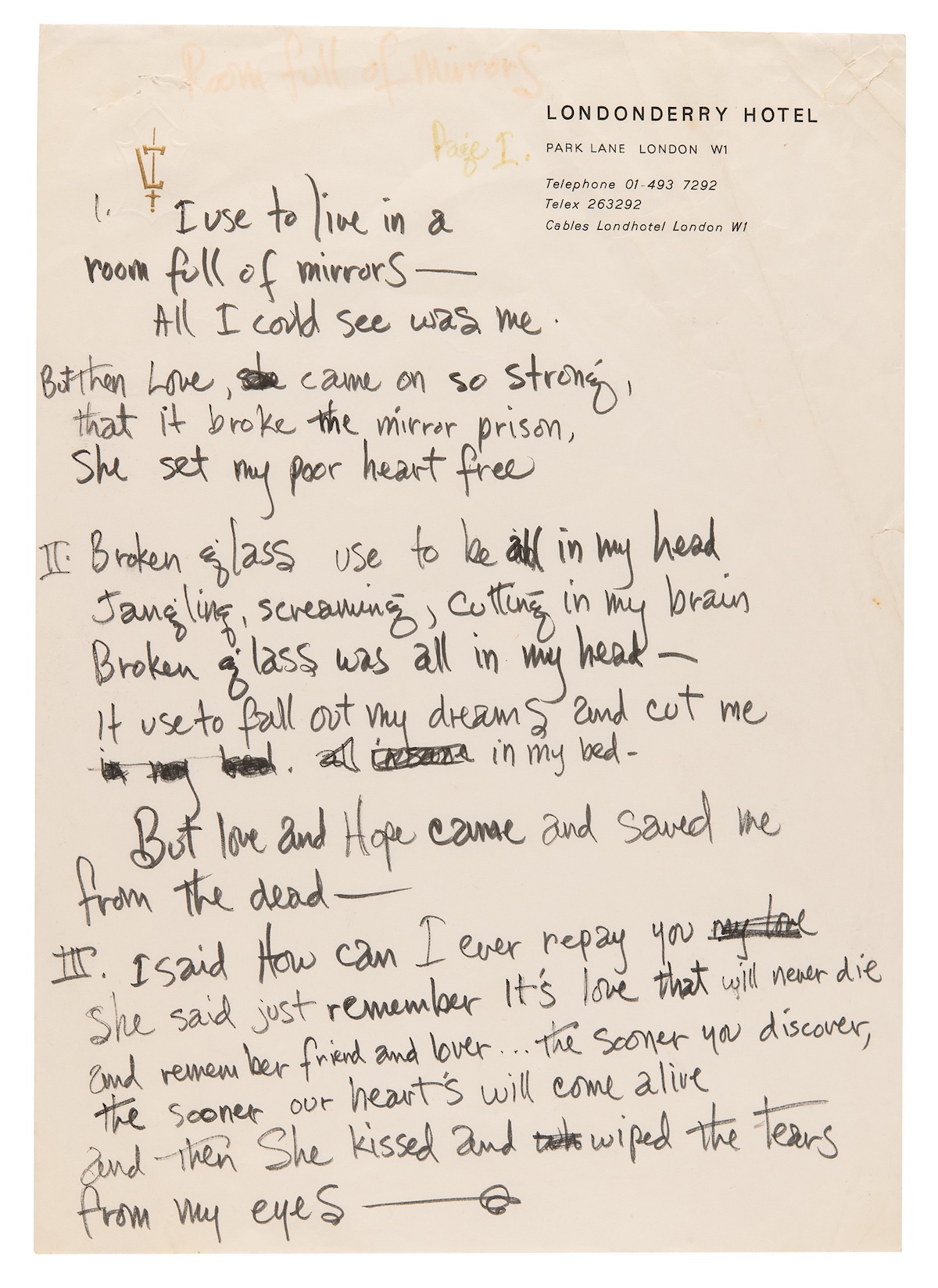
In his 2011 memoir Does The Noise In My Head Bother You?, Tyler described meeting a 16-year-old girl after an Aerosmith performance in 1973. He wrote that he was 26 and “almost took a teen bride”, and described her parents signing custody papers that allowed him to travel with her without facing legal problems.
Misley has said the account refers to her. Tyler’s memoir does not identify the girl by name, meaning the book is part of the evidence and dispute surrounding the case rather than an independent identification.
NBC has also reported on the lawsuit, noting that Tyler acknowledged the relationship in court filings while denying the allegations of sexual assault, battery and emotional distress. Misley has publicly described the relationship by saying she was underage, became Tyler’s legal ward, lived with him in Boston and travelled with him while Aerosmith toured.
The legal distinction is important. This is a civil proceeding, not a criminal prosecution, and the judge’s recusal does not determine the truth of either side’s allegations. It also does not represent a ruling against Tyler or an abandonment of Misley’s remaining claim.
The case has now experienced the departure of two judges. Young had taken over after Judge Tamara Hall previously recused herself from the litigation in 2025.
For Tyler, the next significant development is therefore procedural rather than musical. The court must determine who will take over the case and whether the remaining claim can proceed to a new trial date.
Until that happens, the September 28 trial that had been expected to bring the long-running dispute before a jury is no longer proceeding under Judge Young’s control, leaving the timing of the next stage unresolved.
Stay updated with your free Noise11.com daily music news email alert. Subscribe to Noise11 Music News here
Be the first to see NOISE11.com’s newest interviews and special features on YouTube. See things first-Subscribe to Noise11 on YouTube
Follow Noise11.com on social media:
Facebook – Comment on the news of the day