
Jack Douglas, the American producer and engineer whose credits ranged from John Lennon and Yoko Ono’s Double Fantasy to Aerosmith’s breakthrough 1970s catalogue, has died at the age of 80 after complications from lymphoma. Douglas was one of the defining studio figures of classic rock, shaping landmark recordings for Lennon, Aerosmith, Patti Smith, Cheap Trick and the New York Dolls.
by Paul Cashmere
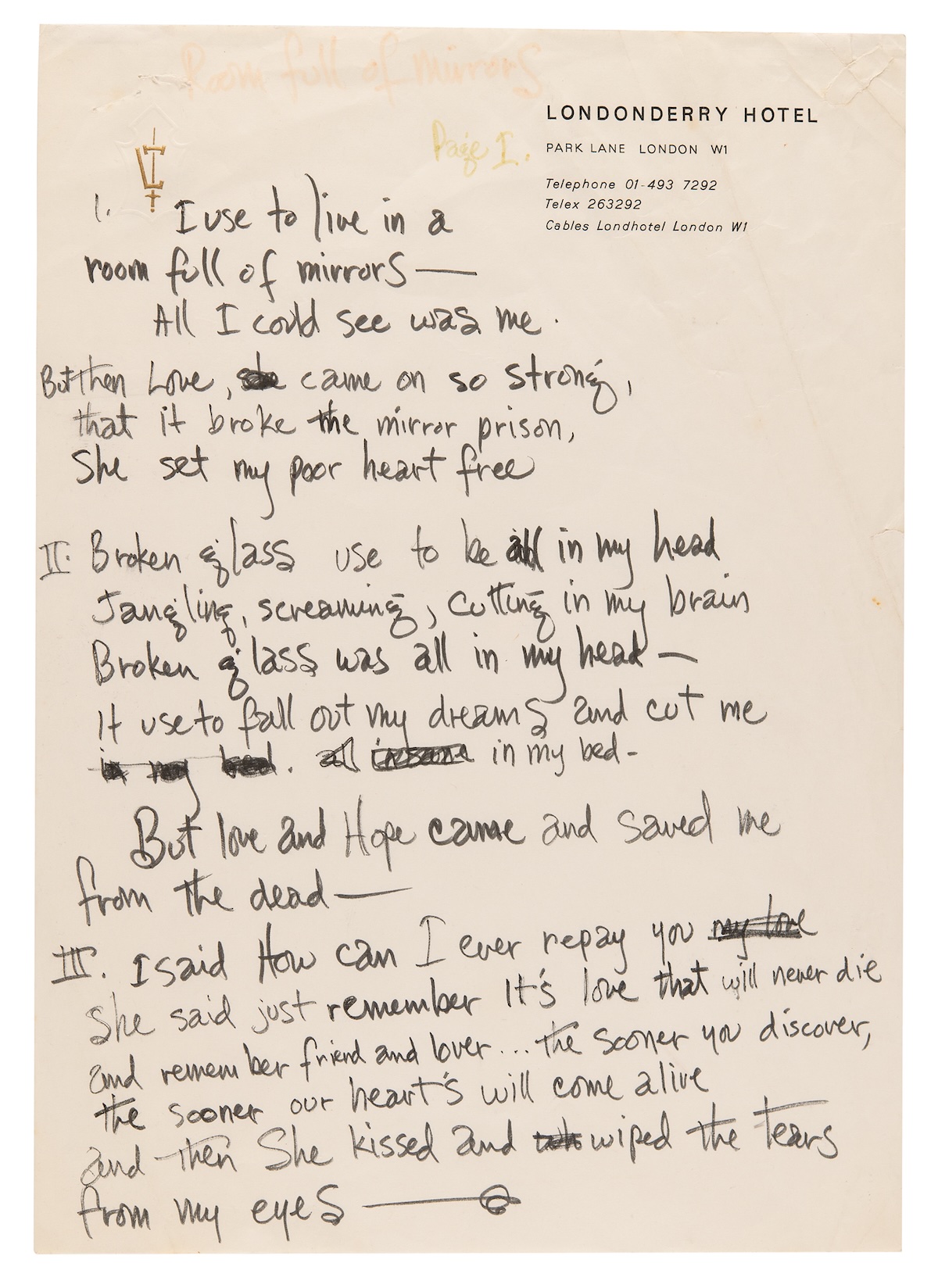
Jack Douglas, the producer and engineer who helped define the sound of American rock in the 1970s and early 1980s, died on May 11, 2026, aged 80. His family confirmed the news in a statement posted to Facebook, saying Douglas “passed away peacefully on Monday night” after a career that connected him to some of the most influential recordings of the rock era, including John Lennon and Yoko Ono’s Double Fantasy and Aerosmith’s multi-platinum run of classic albums.
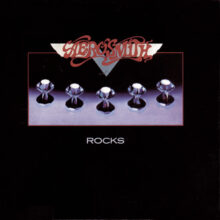
Douglas occupied a unique place in recording history because his work bridged both technical engineering and creative production. From his early years at New York’s Record Plant studios to Grammy-winning success with Double Fantasy, Douglas became known for capturing raw performances without sacrificing commercial clarity. His records with Aerosmith, particularly Toys In The Attic and Rocks, became reference points for generations of hard rock musicians, while his collaboration with Lennon placed him at the centre of one of rock music’s most significant final chapters.
Born in the Bronx, New York City on November 6, 1945, Douglas first entered music as a folk performer and songwriter. As a teenager he contributed campaign jingles for Robert F. Kennedy’s 1964 Senate campaign before moving briefly to England to perform in bands. Returning to New York, he studied at the Institute of Audio Research and joined the staff of the newly opened Record Plant studios, initially working as a janitor.
Douglas later described how he learned the craft by observing engineers and producers during overnight sessions. That persistence led to work on recordings for artists including Miles Davis, Alice Cooper, Mountain and The James Gang. His breakthrough came when he helped engineer sessions for The Who’s abandoned Lifehouse project, material that later evolved into the landmark 1971 album Who’s Next.
That same year Douglas engineered John Lennon’s Imagine, beginning a close professional relationship with Lennon and Yoko Ono that lasted until Lennon’s death in December 1980. Douglas later co-produced Double Fantasy, the comeback album Lennon recorded with Ono after five years away from the music industry. Released just weeks before Lennon’s murder, the album went on to win the Grammy Award for Album of the Year.
Douglas was in the studio with Lennon on the day Lennon was killed, working on Ono’s single Walking On Thin Ice at Record Plant. In later interviews Douglas recalled that he and Lennon often travelled home together after sessions, but on that night he remained behind to continue work on another project. Following Lennon’s death, Douglas became one of the few public voices close to Ono and the Lennon camp during the immediate aftermath of the tragedy.
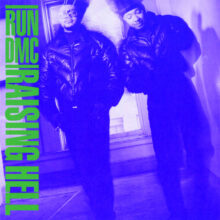
His work with Aerosmith was equally significant to his legacy. Douglas produced and engineered Get Your Wings in 1974, followed by Toys In The Attic in 1975, Rocks in 1976 and Draw The Line in 1977. Those albums transformed Aerosmith from a developing hard rock act into one of America’s biggest arena bands. Tracks including Walk This Way, Sweet Emotion and Back In The Saddle became foundational recordings for hard rock and later hip-hop culture.
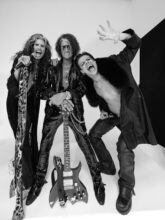
Douglas was often referred to as Aerosmith’s “sixth member” because of his creative involvement with the band. Beyond production duties he contributed musical ideas and co-writing assistance, including work on the song Kings And Queens. Speaking in 2023, Douglas explained his philosophy by saying, “My job is to make a band’s dreams come true, not mine.”
Outside Aerosmith and Lennon, Douglas maintained long relationships with Cheap Trick and the New York Dolls while also working with Patti Smith, Blue Öyster Cult, Slash’s Snakepit, Supertramp and Zebra. He later reunited with Aerosmith for Honkin’ On Bobo in 2004 and Music From Another Dimension! in 2012.
Douglas also became a mentor figure within the recording industry. Producer Warren Huart, who credited Douglas as an influence, wrote after his death that Douglas “carried decades of success with humility and grace” and described him as a producer who “left a lasting mark on people’s hearts and lives.”
His death closes another chapter in the generation of producers who emerged from the analogue studio era of the late 1960s and early 1970s. Douglas belonged to a group of studio craftsmen who developed records through live performance energy, tape experimentation and artist collaboration rather than digital editing techniques. His catalogue remains embedded in the history of classic rock radio and the broader evolution of modern record production.
While many producers become associated with a single artist or sound, Douglas built a career across hard rock, punk, singer-songwriter and mainstream pop recordings. Yet his name will remain most closely linked to two enduring legacies, the explosive rise of Aerosmith and the final recordings of John Lennon.
Stay updated with your free Noise11.com daily music news email alert. Subscribe to Noise11 Music News here
Be the first to see NOISE11.com’s newest interviews and special features on YouTube. See things first-Subscribe to Noise11 on YouTube
Follow Noise11.com on social media:
Bluesky
Instagram
Facebook – Comment on the news of the day
X (Twitter)