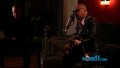

Forty years after its release, Sting’s landmark live album Bring On The Night remains a defining document of his transition from The Police frontman to solo artist, capturing a bold musical shift that helped establish the next phase of his career.
by Paul Cashmere
Released in 1986 and recorded across a series of performances during 1985, Bring On The Night arrived at a pivotal moment for Sting. Having stepped away from The Police, one of the biggest bands of the era, he used the double live album to showcase material from his debut solo record The Dream Of The Blue Turtles while reimagining key songs from his former band with a new ensemble rooted in jazz and improvisation. Four decades later, the album stands as a significant milestone in one of popular music’s most successful career transitions.
The release documented Sting’s first major solo tour and offered audiences a very different interpretation of the musician they had come to know through hits with The Police. Rather than replicating the tight new wave sound that had defined his previous band, Sting assembled a group of accomplished jazz musicians including Branford Marsalis, Darryl Jones, Kenny Kirkland and Omar Hakim. The performances featured extended arrangements, instrumental exploration and fresh interpretations of familiar songs.
At the time, the decision represented a notable artistic gamble. Many artists emerging from globally successful groups lean heavily on established formulas. Sting instead embraced a more ambitious musical direction, integrating jazz, world music and sophisticated pop arrangements into his live performances.
The album’s title was drawn from “Bring On The Night”, originally featured on The Police’s 1979 album Reggatta De Blanc. Across the live collection, songs from Sting’s solo catalogue sit alongside Police material, with several performances blending compositions together as medleys. The opening piece combines “Bring On The Night” with “When The World Is Running Down, You Make The Best Of What’s Still Around”, immediately signalling the creative bridge between his past and future.
Recorded primarily during performances at the Palais Omnisports de Paris-Bercy in Paris during December 1985, the album also incorporates material captured in Arnhem, Rome and earlier Paris shows at Théâtre Mogador. The resulting collection presents a snapshot of a touring band developing chemistry in real time.
Highlights include expansive versions of “Driven To Tears”, “Moon Over Bourbon Street”, “Children’s Crusade” and “Tea In The Sahara”, while the pairing of “One World (Not Three)” and “Love Is The Seventh Wave” demonstrates how Sting was integrating his Police catalogue into the musical language of his solo work.
The personnel assembled for the recordings would become almost as important to the album’s legacy as the songs themselves. Saxophonist Branford Marsalis emerged as a key collaborator during Sting’s early solo years, while bassist Darryl Jones would later join The Rolling Stones. Keyboardist Kenny Kirkland and drummer Omar Hakim were already respected figures within the jazz world, bringing a level of musicianship that elevated the performances beyond a standard rock concert recording.
Commercially, Bring On The Night proved successful despite producing no major hit singles. The album reached No. 16 on the UK Albums Chart and charted strongly across Europe, including Top 10 placements in the Netherlands, Austria and Germany. It also earned Sting a Grammy Award in 1988 for Best Pop Vocal Performance, Male, reinforcing the critical recognition of his solo direction.
The project extended beyond audio. Bring On The Night was also the title of a documentary directed by Michael Apted, released in 1985, which chronicled the formative stages of Sting’s solo career. The film offered a rare behind-the-scenes perspective on the creation of The Dream Of The Blue Turtles, the assembly of the touring band and the challenges of launching a new artistic identity following the end of a globally successful group. The documentary later received a DVD release in 2005.
Forty years on, the album continues to occupy a unique place within Sting’s catalogue. While later releases would achieve greater commercial success, Bring On The Night captured a moment of artistic risk and reinvention. It documented a musician resisting expectations and choosing exploration over familiarity.
As Sting’s body of work continues to be reassessed by new generations of listeners, Bring On The Night remains an essential chapter. It is both a live album and a historical record, preserving the moment when one of the most recognisable voices in contemporary music stepped beyond the shadow of The Police and established the foundations of a solo career that continues four decades later.
Track Listing
Bring On The Night/When The World Is Running Down, You Make The Best Of What’s Still Around
Consider Me Gone
Low Life
We Work The Black Seam
Driven To Tears
The Dream Of The Blue Turtles/Demolition Man
One World (Not Three)/Love Is The Seventh Wave
Moon Over Bourbon Street
I Burn For You
Another Day
Children’s Crusade
Down So Long
Tea In The Sahara
Stay updated with your free Noise11.com daily music news email alert. Subscribe to Noise11 Music News here
Be the first to see NOISE11.com’s newest interviews and special features on YouTube. See things first-Subscribe to Noise11 on YouTube
Follow Noise11.com on social media:
Facebook – Comment on the news of the day
Bluesky
Instagram
X (Twitter)