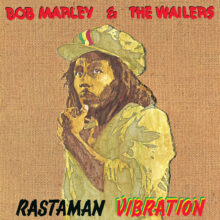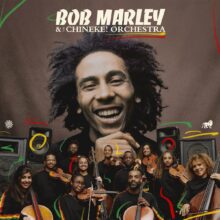

Bob Marley has been named the most frequently referenced historical figure in song lyrics, according to a new study examining how musicians draw inspiration from history. The reggae icon sits comfortably at number one with 927 separate lyric mentions, placing him well ahead of philosophers, criminals, political leaders and fellow musicians whose names have also been woven into popular music over decades.
The research was conducted by history driven metal band Sabaton while preparing material for their next album. As part of their creative process, the band set out to understand which historical figures have influenced songwriters the most, not through textbooks or documentaries, but through lyrical references embedded in songs across genres and generations.
Using the AZLyrics database, the study tracked how often the full names of historical figures appeared in unique songs. The results paint a broad picture of how music reflects cultural memory, spanning creatives who shaped popular culture, infamous figures whose stories became legend, and thinkers whose ideas continue to resonate centuries after their deaths.
Marley’s clear lead underlines his extraordinary reach beyond reggae. The Jamaican singer, songwriter and guitarist used music as a platform for messages of unity, resistance and spiritual awareness. His work helped introduce Rastafarian culture to a global audience and positioned him as a symbol of freedom and defiance. Long after his passing in 1981, Marley remains a powerful reference point for artists seeking to evoke authenticity, rebellion or social consciousness.
His name has appeared in songs across vastly different styles, including Empire State Of Mind by Jay-Z and Give It Away by Red Hot Chili Peppers. That cross genre presence highlights how Marley’s influence extends far beyond his own catalogue, becoming part of the shared language of modern songwriting.
Second on the list is ancient Greek philosopher Plato, whose name appears in 737 songs. Despite living more than two millennia ago, Plato’s ideas around ethics, politics and knowledge continue to shape Western thought, and clearly continue to resonate with songwriters. His lyrical appearances suggest that musicians frequently turn to philosophy when exploring deeper questions about society and human behaviour. Plato is referenced in songs such as I Forgot That Love Existed by Van Morrison and The Magnificent Seven by The Clash.
In third place are Bonnie and Clyde, the infamous American outlaws whose criminal exploits during the Great Depression ended in a violent ambush. Their story of romance, rebellion and inevitable downfall has become deeply embedded in popular mythology. With 712 lyric mentions, the duo has been referenced in songs including Getaway Car by Taylor Swift and If You Have To Ask by Red Hot Chili Peppers.
A more contemporary figure appears in fourth place, with Donald Trump recording 656 lyric mentions. The current United States president has been a polarising presence in global culture and politics, and his frequent appearance in lyrics reflects his dominance of public discourse over the past decade. Artists have used his name as shorthand for wealth, ambition and controversy, with references appearing in songs such as Lights by Frank Ocean and Donald Trump by Mac Miller.
Rounding out the top five is notorious American gangster Al Capone. A towering figure of the Prohibition era, Capone has become synonymous with organised crime mythology. His name appears in 550 songs, including Stone Cold Crazy by Queen, Superstar by Madonna and Al Capone by Michael Jackson.
The full Top 10 list reveals a strong leaning toward cultural figures rather than traditional political leaders, reinforcing the idea that music gravitates toward personalities associated with rebellion, creativity and myth.
The Top 10 Most Sung About Historical Figures
1. Bob Marley, 927 lyric mentions, example song Give It Away by Red Hot Chili Peppers
Lyrics:
Bob Marley, poet and a prophet
Bob Marley taught me how to off it
Bob Marley walkin’ like he talk it
Goodness me, can’t you see I’m gonna cough it?
3. Bonnie And Clyde, 712 lyric mentions, example song Getaway Car by Taylor Swift
Lyrics:
We were jet-set, Bonnie and Clyde (Oh-oh)
Until I switched to the other side, to the other side
It’s no surprise I turned you in (Oh-oh)
‘Cause us traitors never win
4. Donald Trump, 656 lyric mentions, example song Donald Trump by Mac Miller
Lyrics:
Take over the world when I’m on my Donald Trump shit
Look at all this money, ain’t that some shit?
5. Al Capone, 550 lyric mentions, example song Stone Cold Crazy by Queen
Lyrics:
I was dreaming I was Al Capone
There’s a rumor going round
Gotta clear outta town
I’m smelling like a dry-fish bone
6. James Dean, 423 lyric mentions, example song James Dean by Eagles
James Dean, James Dean
I know just what you mean
James Dean, you said it all so clean
And I know my life would look alright
If I could see it on the silver screen
7. Robin Hood, 413 lyric mentions, example song Blackout by David Bowie
I’m under Japanese influence and my honour’s at stake
The weather’s grim, ice on the cages
Me, I’m Robin Hood, and I puff on my cigarette
Panthers are steaming, stalking, screaming
8. John Lennon, 373 lyric mentions, example song Blues Never Fade Away by Elton John
And there’s marble markers and little white crosses
Along the beaten path
And I’ve spread their ashes on the wind
And I miss John Lennon’s laugh
9. Muhammad Ali, 349 lyric mentions, example song Greatest by Eminem
Lyrics:
Anomaly, I’m Muhammad Ali
‘Cause I knew one day (Hey) I’m gonna be the greatest in the world
10. Biggie Smalls, 321 lyric mentions, example song Moment Of Clarity by Jay-Z
Lyrics:
I’m strong enough to carry Biggie Smalls on my back (Sup Big?)
And the whole BK, n*gg*, holla back! (C’mon)
At the opposite end of the scale, Tudor queen Catherine Howard is the least referenced figure in song lyrics, with just a single appearance. Queen Elizabeth I and English highwayman Dick Turpin follow with only two mentions each. The disparity highlights how notoriety alone does not guarantee a place in songwriting lore.
The study also points to an interesting divide between musical icons and traditional historical leaders. Figures such as Napoleon Bonaparte and Winston Churchill trail well behind, suggesting that songwriters are more inclined to reference artists, rebels and countercultural symbols than statesmen.
Sabaton co founder Pär Sundström said the findings demonstrate how music functions as a powerful vehicle for historical storytelling. He noted that while figures like Plato show there is an appetite for intellectual themes in music, many significant historical personalities remain largely untapped as sources of lyrical inspiration. For Sabaton, whose work often centres on military history, these insights reinforce their commitment to using music to connect audiences with real life stories from the past, while drawing clear parallels to the present.
Stay updated with your free Noise11.com daily music news email alert. Subscribe to Noise11 Music News here
Be the first to see NOISE11.com’s newest interviews and special features on YouTube. See things first—Subscribe to Noise11 on YouTube
Follow Noise11.com on social media:
Bluesky
Facebook – Comment on the news of the day