
With The Wailers, The Living End and Taj Farrant leading a decentralised program, Byron Bay pivots to a venue-wide live music takeover following the cancellation of Bluesfest 2026
by Paul Cashmere
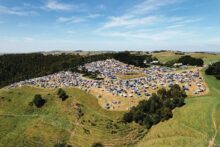
The Easter long weekend in Byron Bay will proceed without its flagship event, but not without music. In the wake of Bluesfest’s late cancellation, venues across the Byron Shire have mobilised a coordinated, multi-site live music program running from April 2 to April 6, transforming what was once a single festival footprint into a region-wide takeover.
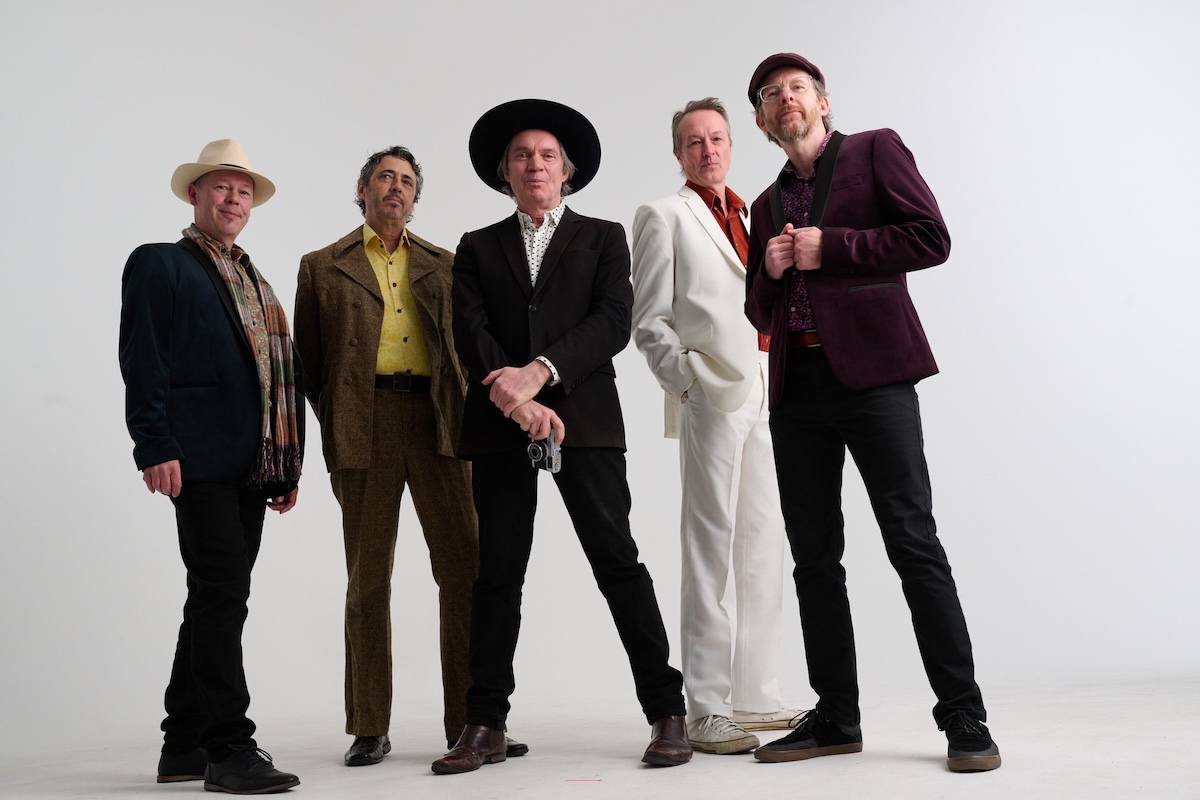
The initiative brings together artists originally slated for Bluesfest alongside a broad mix of local and touring acts. Headliners include The Wailers, The Living End and Taj Farrant, performing across a network of pubs, clubs and community spaces rather than a single ticketed site.
The shift is significant for both audiences and the industry. Bluesfest, which entered liquidation weeks before its scheduled opening, has long functioned as a central pillar of Australia’s touring ecosystem. Its absence created an immediate vacuum, not only for ticket holders but for artists whose tours were structured around the festival’s financial and logistical framework. The Byron response, rapidly assembled, offers an alternative model, decentralised, venue-driven and in many cases free to access.
Local organisers describe the format as a “takeover” rather than a replacement.
According to community updates, gigs are “spilling out across towns,” with late-night DJ sets, pop-up performances and programming extending beyond traditional stages. The approach broadens the footprint of live music activity across the region, shifting audience movement between multiple venues rather than concentrating crowds in one location.
Participating venues include the Byron Bay Bowlo, the Exchange Hotel, Stone & Wood, The Middle Pub, Eltham Hotel, Beach Hotel Byron Bay and Hotel Brunswick, each curating their own line-ups within the broader framework. Additional programming includes a busking festival, rodeo-style events outside the town centre, brewery showcases and shuttle services designed to move audiences between locations.
From an operational standpoint, the model reduces reliance on a single promoter while distributing economic activity across the local hospitality sector. It also lowers barriers to entry for audiences, with many events free or low-cost, a notable contrast to the premium pricing associated with major festivals.
Artists To Perform Across Byron Bay Over Easter
The Wailers
The Living End
Skegss
The Dreggs
Jeff Martin (The Tea Party)
Paul A. George (Tijuana Cartel)
Taj Farrant
Backsliders
Hussy Hicks
Liz & Alton Millar
Minnie Marks
Bridie May
Murat Kilic
Mason Rack Band
Lisa Hunt
Jerome Williams
Late For Woodstock
Jam Hot
RoshanI
Dan Hannaford Duo
Lost Baggage
JB Blues Breakers
Charlie Murray
Jordy Quinn
Ally Palmer
Lachlan Jacques
Felicity Lawless
Jess Redwing
Harry Nichols
The Honky Tonk Swingers
Yazmindi
Busking Fest
Balcony Beats
Krappyoke
Retro Saturdays
The presence of The Wailers carries historical weight. The band’s catalogue, closely tied to the legacy of Bob Marley and albums such as Rastaman Vibration, remains foundational to global reggae. Their current Australian run, restructured into smaller venues, aligns with the more intimate format emerging across Byron this Easter.
For The Living End, whose breakthrough arrived with their 1998 self-titled debut album, the shift from festival stage to local venue reflects a broader recalibration for Australian touring acts. Their catalogue, anchored by tracks like Prisoner Of Society, has long translated effectively across both large and small rooms, positioning them well within this revised environment.
Taj Farrant represents a different trajectory, part of a new generation of Australian guitar-driven artists building audiences through both live performance and digital platforms. His inclusion highlights the blend of legacy and emerging talent shaping the Byron program.
The collapse of Bluesfest underscores wider pressures across the live music sector. Rising production costs, insurance premiums and international touring expenses have placed increasing strain on large-scale events. Bluesfest, established in 1990, had evolved into a cornerstone of the Australian festival calendar, hosting artists from Bob Dylan to BB King and drawing more than 100,000 attendees in peak years. Its sudden absence exposes the fragility of the current model.
The Byron takeover demonstrates a level of resilience within the local music ecosystem. By distributing performances across the Shire, the model engages a broader cross-section of businesses and audiences, while maintaining a live music presence during one of the region’s most commercially significant weekends.
Looking ahead, the success or shortcomings of this approach may inform how regional music events are structured in the future. As the industry reassesses its reliance on large-scale festivals, the Byron experience offers a case study in rapid adaptation, community coordination and the enduring demand for live music, even when the headline event disappears.
Stay updated with your free Noise11.com daily music news email alert. Subscribe to Noise11 Music News here
Be the first to see NOISE11.com’s newest interviews and special features on YouTube. See things first—Subscribe to Noise11 on YouTube
Follow Noise11.com on social media:
Bluesky
Facebook – Comment on the news of the day