
Eels’ 1996 debut established Mark Oliver Everett’s band with a distinctive blend of pop, melancholy and outsider storytelling.
by Paul Cashmere
Thirty years ago, Eels introduced themselves with Beautiful Freak, the debut album that established Mark Oliver Everett’s full band name and began one of the more distinctive recording careers to emerge from the 1990s American alternative scene. Released on 13 August 1996 by the newly established DreamWorks Records, the album combined concise pop songwriting with unconventional production, samples and Everett’s often dark observations of everyday life.
The 30th anniversary of Beautiful Freak marks the point at which Everett moved from recording under the name E to formally presenting the project as Eels. The decision was partly practical. Using the name Eels placed the records in a similar section of record stores to Everett’s earlier releases while establishing a new identity for the band.
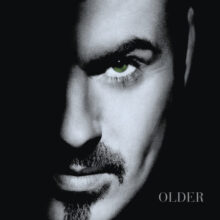
The album was also significant for its label. Beautiful Freak was the first rock album released by DreamWorks Records, the music division associated with the newly created DreamWorks entertainment company. The label’s inaugural album had been George Michael’s Older.
Eels’ debut subsequently reached number five on the UK Albums Chart, while reaching number 114 on the Billboard 200 and number 71 in Australia. Its international performance helped establish Eels beyond the Los Angeles music community where Everett had developed his earlier work.
Although released in 1996, much of Beautiful Freak had been recorded between 1993 and 1995. “Novocaine for the Soul”, the album’s best-known early single, had been recorded and mixed as early as 1993.
The album was produced by E, Jon Brion, Mark Goldenberg and Michael Simpson. Everett handled vocals, guitar and Wurlitzer electric piano, while Butch played drums and provided backing vocals and Tommy Walter played bass and contributed backing vocals.
Brion, Goldenberg and other musicians expanded the arrangements with guitar, keyboards, trombone, Chamberlin and loops. The production incorporated samples into several recordings, including material from Tubby Chess and His Candy Stripe Twisters on “Novocaine for the Soul”, Gladys Knight & the Pips on “Susan’s House”, The Emotions on “Guest List” and Al Green on “Flower”.
The resulting record moved between conventional pop structures and more fragmented textures, giving Eels an identifiable musical language from the outset.
The album’s artwork became another important part of its identity. Everett had suggested a cover featuring a little girl with unusually large eyes. When the young girl who ultimately posed for the photograph arrived, Everett reportedly felt that she resembled a miniature version of Susan, his former girlfriend and the subject of “Susan’s House”.
Four singles were issued around the album. “Novocaine for the Soul” preceded the album in February 1996, followed by “Susan’s House” in May. “Your Lucky Day in Hell” was released in September, while the title track followed in 1997.
The album’s release also carried an unusual piece of design history. Beginning with Beautiful Freak, DreamWorks Records releases used a thought bubble logo designed by artist Roy Lichtenstein. The design was his final commission before his death in September 1997.
A German edition issued in April 1997 included a four-song live EP recorded for a BBC session, providing an early document of Eels performing material from the debut outside the studio.
Beautiful Freak was the foundation for a catalogue that would continue to develop Eels’ mixture of alternative rock, pop and experimental production. The debut itself remained commercially significant, earning platinum certification in the United Kingdom and gold certification in Belgium and France. Worldwide sales have been reported at approximately 700,000 copies.
Its chart performance was strongest in the United Kingdom, where the album reached number five. It also entered charts across Europe, including France, Belgium and the Netherlands, while making a more modest impact in the United States and Australia.
The album has subsequently appeared in major retrospective collections of essential recordings, including 1001 Albums You Must Hear Before You Die. It was also included in the 2015 The Complete DreamWorks Albums collection, which brought together Eels’ recordings for the label after Universal Music Group acquired DreamWorks Records in 2003.
The significance of Beautiful Freak lies in how completely it established the Eels template on a first album. Everett’s songwriting could be melodic and accessible while addressing alienation, difficult relationships and uncomfortable aspects of ordinary life.
Songs including “Novocaine for the Soul”, “Susan’s House”, “My Beloved Monster” and “Your Lucky Day in Hell” gave the album a recognisable identity without relying on a single musical formula.
Thirty years after its release, Beautiful Freak remains the starting point for understanding Eels’ recorded history. The 13 August 1996 release introduced the band to an international audience and set the creative framework for the catalogue that followed.
Tracklisting
“Novocaine For The Soul”
“Susan’s House”
“Rags To Rags”
“Beautiful Freak”
“Not Ready Yet”
“My Beloved Monster”
“Flower”
“Guest List”
“Mental”
“Spunky”
“Your Lucky Day In Hell”
“Manchild”
Stay updated with your free Noise11.com daily music news email alert. Subscribe to Noise11 Music News here
Be the first to see NOISE11.com’s newest interviews and special features on YouTube. See things first—Subscribe to Noise11 on YouTube
Follow Noise11.com on social media:
Bluesky
Facebook – Comment on the news of the day