
The fallout from Bluesfest continues to escalate, with Bluesfest and Bluesfest Touring now facing mounting uncertainty around sideshows, refunds and industry trust
by Paul Cashmere
The collapse of Bluesfest has entered a volatile new phase, with fresh developments over the past 24 hours confirming the scale of financial damage while leaving the status of the national Bluesfest Touring sideshows increasingly unclear.
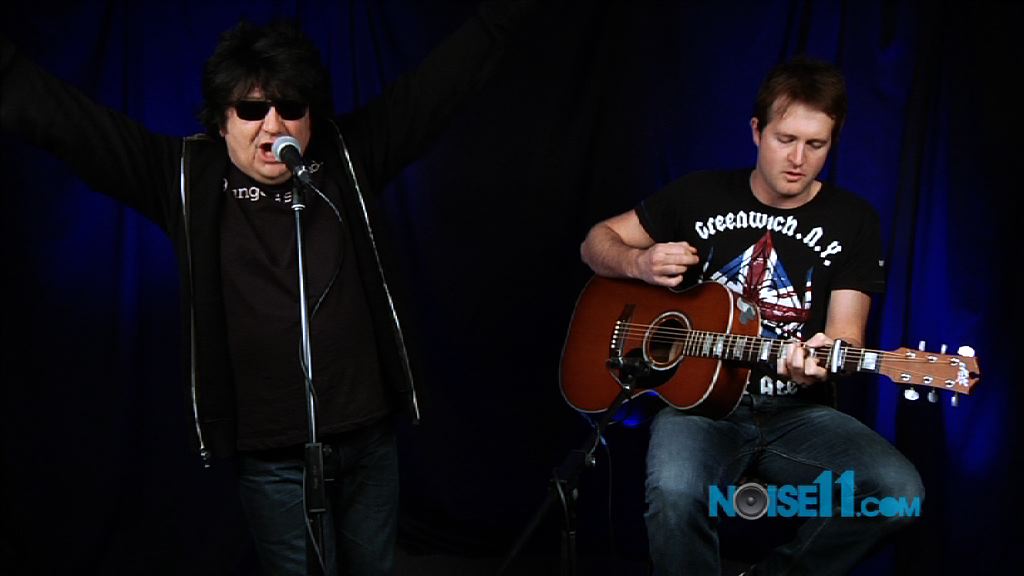
Brandin Taj Farrant on the collapse of Bluesfest and how it effects the artist
Liquidators have now outlined the depth of the financial shortfall, with more than $23 million owed to over 20,000 ticket holders following the sudden cancellation of the 2026 event just weeks out from its Easter start date. The appointment of administrators has effectively reclassified ticket buyers as unsecured creditors, a position that significantly reduces the likelihood of refunds.
For the Australian live sector, this is not simply a festival cancellation. It is a systemic shock.
Industry figures are warning that the situation risks long-term erosion of consumer confidence. Promoters across the sector have privately raised concerns about the handling of ticket revenue, noting that standard practice often involves ring-fencing funds to protect consumers in the event of a cancellation. The current scenario has intensified scrutiny on those safeguards.
At the centre of fan concern now is the fate of the Bluesfest Touring sideshows, a nationwide run of concerts built around the festival’s international lineup. These shows were designed as both promotional extensions and standalone revenue drivers, featuring artists including The Black Crowes, Sublime, The Pogues, Marcus King Band and Kenny Wayne Shepherd.
Ticketing platforms continue to list multiple sideshows across Melbourne, Sydney and regional centres, with dates stretching from late March into April. However, there has been no unified statement confirming whether these performances will proceed, be postponed, or be cancelled.
That ambiguity reflects the structural difference between the festival and the touring arm. While Bluesfest Touring operates as a separate brand extension, many of the artists were contracted within a broader festival framework. With the festival entity now in liquidation, contractual clarity is still being assessed behind the scenes.
The uncertainty is compounded by the fact that many international artists had structured their Australian travel logistics around the Byron Bay event. Without the anchor festival, touring economics shift dramatically, particularly in a market already under pressure from rising freight, insurance and production costs.
Those same cost pressures were cited as a primary factor in the festival’s collapse. Organisers pointed to a convergence of escalating expenses and softer ticket sales, a combination that ultimately rendered the 2026 event unviable despite its long-standing cultural significance.
Founded in 1990, Bluesfest had grown into one of the world’s leading contemporary roots and blues festivals, hosting global names across multiple generations and contributing significantly to the New South Wales economy across its lifespan. Its cancellation marks one of the most significant collapses in Australian live music history.
For artists, the situation remains delicate. Many are understood to be withholding public comment while legal and insurance implications are worked through. In insolvency scenarios, performers can also become unsecured creditors, further complicating decisions around whether to proceed with standalone shows.
The most immediate concern for fans is clarity. With some sideshow dates now less than two weeks away, ticket holders are still waiting for definitive confirmation on whether events will proceed as scheduled.
For now, ticketing pages remain active and on sale, suggesting that at least some shows may continue under revised arrangements. But without formal communication from promoters or agents, confidence remains fragile.
The broader industry impact is already being felt. The Bluesfest collapse follows a string of high-profile festival cancellations across Australia in recent years, reinforcing concerns about the sustainability of the touring model in a high-cost, post-pandemic environment.
More significantly, the handling of ticket funds has become a flashpoint. The current situation has exposed gaps in voluntary industry codes designed to protect consumers, prompting renewed calls for regulatory reform around ticketing practices and escrow requirements.
For Bluesfest, the legacy is now at risk of being overshadowed by its final chapter.
For the industry, the stakes are even higher. Trust, once broken at scale, is difficult to rebuild.
And for fans holding sideshow tickets, the waiting game continues.
Stay updated with your free Noise11.com daily music news email alert. Subscribe to Noise11 Music News here
Be the first to see NOISE11.com’s newest interviews and special features on YouTube. See things first—Subscribe to Noise11 on YouTube
Follow Noise11.com on social media:
Bluesky
Facebook – Comment on the news of the day