
The collapse of Bluesfest 2026 has left thousands of fans of the Byron Bay festival facing uncertainty over ticket refunds, while organisers and the NSW Government navigate the financial fallout.
by Paul Cashmere
The sudden cancellation of Bluesfest 2026 has triggered a complex legal and financial situation for thousands of ticket holders who had planned to attend the Byron Bay event. With the festival’s operating company now in liquidation, many fans may find the path to recovering their money far from straightforward.
Bluesfest director Peter Noble confirmed on 13 March 2026 that the festival would not proceed, only three weeks before it was scheduled to begin on 2 April. The announcement came as the event’s operating company, Bluesfest Enterprises Pty Ltd, entered liquidation with debts reported to exceed $5.7 million.
Once a company enters liquidation under Australian insolvency law, control of the business immediately shifts to an independent liquidator. In the Bluesfest case, that role has been taken by Jason Bettles of Worrells.
For ticket holders, the implications are significant. Under normal circumstances, Australian Consumer Law entitles customers to refunds when a paid service, such as a music festival, is cancelled. However, insolvency changes the practical reality. Fans who purchased tickets are now classified as unsecured creditors in the liquidation process.
In insolvency terms, unsecured creditors sit near the end of the repayment queue. Higher priority debts, including employee wages, secured loans and the costs associated with administering the liquidation itself, are paid first. Only if funds remain after these obligations are met will unsecured creditors receive a distribution.
The liquidator has already warned that the level of debt versus the assets available makes it unlikely ticket holders will receive refunds through the formal winding-up process.
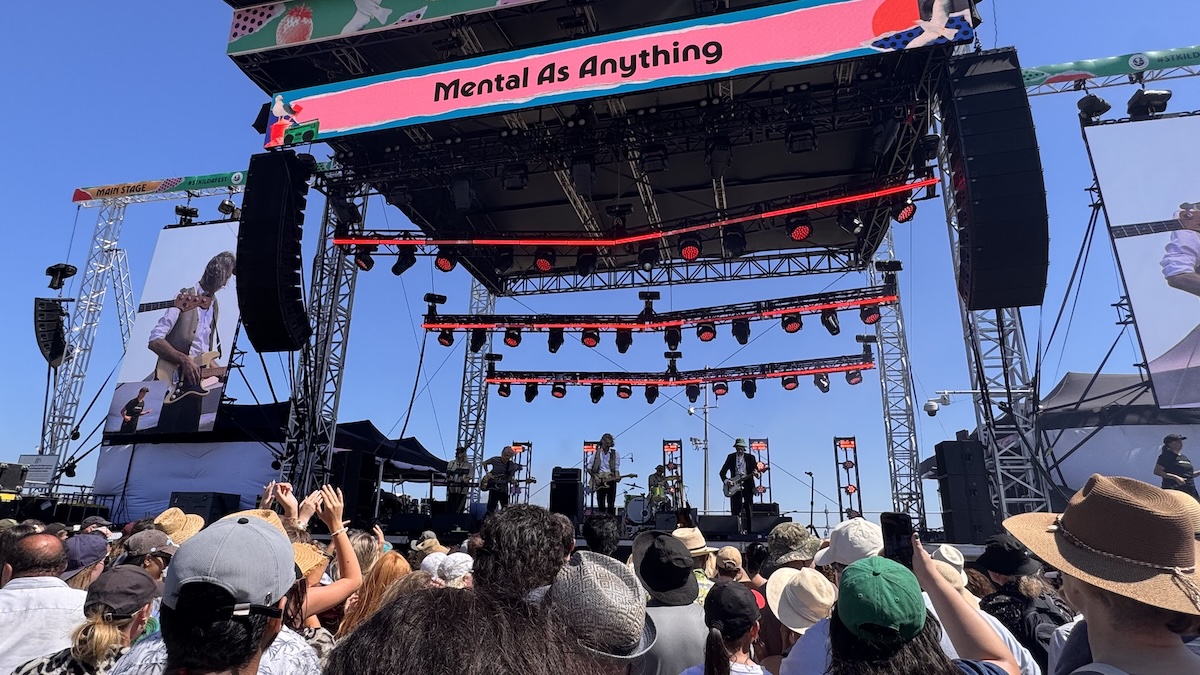
Bluesfest has been one of Australia’s most prominent music festivals since it launched in 1990 in Byron Bay, eventually building a reputation for hosting international names across blues, rock, soul and roots music. Over more than three decades the event featured artists ranging from Bob Dylan and BB King to Paul Simon and Tom Jones. Its peak years drew crowds well above 100,000 across the Easter weekend.
The 2025 event attracted nearly 109,000 attendees, making it the third largest in the festival’s history. That strong result came after Noble publicly declared the 2025 edition would be the “final” Bluesfest, a move he later admitted was designed to attract attention and boost ticket sales during a period of financial stress for the festival sector.
Despite the rebound in attendance and a renewed commitment to stage the event again in 2026, the festival faced mounting financial pressure. Rising production, logistics, insurance and touring costs have increasingly challenged large-scale music events across Australia.
The financial strain was evident in the lead-up to the 2026 festival. Reports indicate tickets continued to be promoted until shortly before the cancellation announcement, prompting frustration among fans who had already purchased passes, travel and accommodation.
Complicating matters further is the role of government funding. The New South Wales Government had provided Bluesfest with a $500,000 grant through Destination NSW to support the staging of the 2026 festival.
That funding formed part of a broader initiative designed to stabilise major music festivals following several high-profile cancellations across the country. However, with Bluesfest now cancelled, the government is reportedly seeking to recover the grant.
Importantly for ticket holders, the government has no legal obligation to reimburse fans. State support programs are designed to assist the industry rather than guarantee consumer protection when a private event collapses.
For fans hoping to recover the cost of their tickets, financial experts say the most effective route is often through their bank or credit card provider. If the tickets were purchased using a credit or debit card, customers may be able to request a chargeback on the basis that the service was never delivered.
Chargebacks are governed by card network rules and can sometimes provide refunds when a merchant becomes insolvent before delivering the promised service.
Ticket buyers who opted for additional ticket insurance when purchasing their passes may also be able to lodge a claim through that provider, depending on the policy’s terms and whether insolvency is covered.
Another option is to formally register as a creditor in the liquidation process with Worrells. While this allows fans to be notified of any potential distributions from the liquidation, it remains the least certain avenue for recovering funds.
Travel expenses create another layer of financial exposure. Airlines and accommodation providers are generally not required to refund bookings when an external event is cancelled. Some travellers may have coverage through comprehensive travel insurance policies, though many standard policies exclude insolvency-related claims.
Others may need to negotiate directly with airlines or hotels for credits or rescheduled bookings.
As the liquidation process unfolds thousands of ticket holders are navigating the realities of insolvency law while the festival that once defined the Byron Bay music calendar is unsalvageable.
Previous:
Bluesfest Byron Bay Enters Liquidation As Ticket Holders Are Advised To Seek Credit Card Chargebacks
Stay updated with your free Noise11.com daily music news email alert. Subscribe to Noise11 Music News here
Be the first to see NOISE11.com’s newest interviews and special features on YouTube. See things first—Subscribe to Noise11 on YouTube
Follow Noise11.com on social media:
Bluesky
Facebook – Comment on the news of the day