
Michael Lippman, one of the most influential artist managers and entertainment lawyers of the modern music industry, has died aged 79. Lippman passed away at his home in Santa Ynez, California, surrounded by family. No cause of death has been disclosed.
Across more than four decades, Lippman helped shape the careers of some of the most significant artists of the late twentieth and early twenty first centuries, including George Michael, David Bowie, Matchbox Twenty and frontman Rob Thomas, songwriter Bernie Taupin, Melissa Manchester, Giorgio Moroder and Narada Michael Walden. His work placed him quietly but decisively at the centre of major cultural moments that defined pop, rock and songwriter driven music.
Born in Rochester, New York, Lippman entered the music business through law rather than artist development. Early in his career he worked in the office of prominent entertainment attorney Marvin Mitchelson, where his clients included David Bowie and Electric Light Orchestra. That legal grounding became a defining feature of his management style, combining contract precision with a deep understanding of artistic ambition.
In the mid 1970s Lippman joined Arista Records, working closely with Clive Davis and eventually becoming the label’s West Coast head. He later credited Davis as a formative mentor, observing firsthand the discipline, stamina and strategic thinking required to build sustainable careers in a volatile industry. That period gave Lippman a rare perspective, understanding both the corporate priorities of record companies and the creative needs of artists.
By the late 1970s, Lippman struck out on his own as a manager. His early client roster reflected his belief that songwriters and producers were artists in their own right and deserved the same advocacy as performers. Among those early successes was Melissa Manchester, who in 1980 became the first artist to receive two Academy Award nominations for Best Original Song in the same year. He also represented Bernie Taupin, Elton John’s longtime lyricist, a partnership that would last for decades.
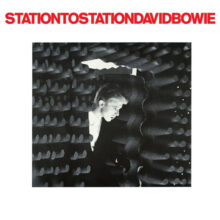
Lippman’s association with David Bowie remains one of the most storied chapters of his career. He worked with Bowie during the Ziggy Stardust era and remained closely involved through major milestones including Bowie’s appearance on Soul Train, the release of the Number One single Fame and the film The Man Who Fell To Earth. During the Station To Station period, Bowie even lived at Lippman’s home, reflecting the trust that defined their relationship.
In 1986, Lippman partnered with former Wham! booking agent Rob Kahane to form Lippman Kahane Entertainment. Their first client was George Michael, who was navigating the risky transition from global teen pop idol to serious solo artist. Lippman recognised the scale of Michael’s ambition and worked to position him accordingly. The result was Faith, a landmark album that sold more than 15 million copies worldwide and won the Grammy Award for Album Of The Year in 1989. It became one of the defining releases of the era.
Lippman Kahane Entertainment quickly became one of the industry’s most powerful management firms, representing an eclectic roster that included Neneh Cherry, Jane’s Addiction, Megadeth, Jody Watley, Melissa Manchester and George Michael. Later in 1990, Lippman and Kahane amicably parted ways, with Lippman continuing in business alongside his brother Terry.
Lippman remained George Michael’s manager until the singer’s death in 2016, overseeing both creative rebirths and periods of intense personal scrutiny. His ability to balance protection, strategy and realism earned him lasting respect from artists who valued loyalty over short term gain.
Another enduring partnership began in 1996 when Lippman took on Matchbox Twenty. He represented the band from its debut and continued through Rob Thomas’ Grammy winning collaboration with Carlos Santana, maintaining that relationship into recent years alongside his son Nick. Together they operated under the banner of Lippman Entertainment, a company built on diversification across genres and disciplines.
Known as a formidable negotiator, Lippman acknowledged that reputation was sometimes deliberate. He believed that effective advocacy required absolute commitment and a willingness to fight for artists in an increasingly competitive industry. Colleagues often sought his advice, recognising his instinct for brokering deals that protected creative contributors at every level.
Beyond business, Lippman was deeply family oriented, particularly in later years. Working alongside his sons became one of his proudest achievements, allowing him to balance professional legacy with personal connection.
Michael Lippman is survived by his wife of 57 years, Nancy, his sons Josh and Nick, and his grandchildren. His legacy lives on through the artists he championed, the deals he structured and the standards he set for artist management at the highest level.
Stay updated with your free Noise11.com daily music news email alert. Subscribe to Noise11 Music News here
Be the first to see NOISE11.com’s newest interviews and special features on YouTube. See things first—Subscribe to Noise11 on YouTube
Follow Noise11.com on social media:
Bluesky
Facebook – Comment on the news of the day