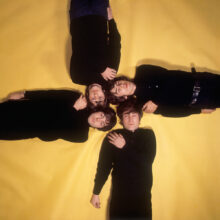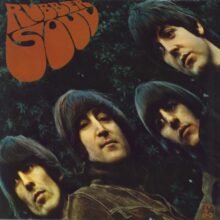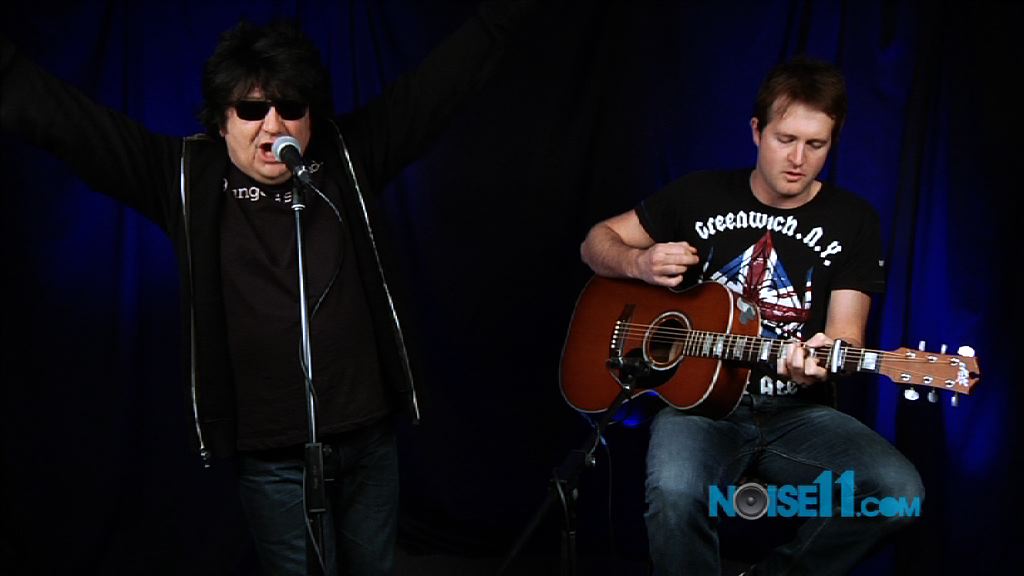

Rod Lynton did not expect a casual walk through a London park to reopen one of the most remarkable chapters in British music history. Yet that is exactly what happened when the guitarist, quietly living in Muswell Hill, was randomly approached for the A Mug of Life podcast. What followed was a rare, first-hand recollection of how a young guitarist with a growing reputation found himself playing on John Lennon’s Imagine album, one of the most important records of the post-Beatles era.
Lynton, now in his seventies, remains a vivid storyteller and an original survivor of the 1960s British music explosion. His account is disarmingly modest. Asked to name the most memorable cup of tea in his life, Lynton replied without hesitation, it was the one John Lennon made for him. That small domestic detail neatly frames a much larger story about proximity to greatness, creative instinct and being ready when opportunity appears.
By the late 1960s, Lynton had already built a quiet reputation as a formidable guitarist. Through his drummer, who secured work with Beatles manager Brian Epstein, Lynton found himself loosely connected to the Beatles’ orbit. Word circulated that he was, in Lennon’s words, someone who could really play. That reputation mattered. In an era before formal auditions and digital portfolios, musicians were often discovered through presence, confidence and instinct.
Lynton recalls sitting in on a session, listening rather than performing, when he noticed an acoustic guitar resting on a stand nearby. Acting on impulse, he picked it up and began to play. A voice behind him confirmed the moment. Lennon, recognising both skill and feel, invited Lynton to take part in upcoming demo sessions. From there, the leap from observer to participant happened almost without ceremony.
Those sessions placed Lynton inside the creation of Imagine, Lennon’s second solo album and a defining statement of his post-Beatles identity. Released in September 1971, Imagine expanded on the emotional directness of John Lennon Plastic Ono Band, replacing stark minimalism with richer arrangements shaped alongside Yoko Ono and producer Phil Spector. The album’s title track would become Lennon’s signature song, but the record as a whole carried sharper political edges and deeply personal reckonings.
Lynton played on several key tracks, including Crippled Inside, Gimme Some Truth, How Do You Sleep and Oh Yoko. His contribution was not ornamental. Lynton has spoken about guiding aspects of the arrangements alongside Lennon and Spector, helping to shape the distinctive sound that balanced intimacy with scale. Imagine was recorded across Ascot Sound Studios at Lennon’s Tittenhurst Park home, EMI Studios in London and the Record Plant in New York, with musicians such as George Harrison, Klaus Voormann, Nicky Hopkins, Alan White and Jim Keltner passing through the sessions. Lynton’s presence places him firmly within that elite creative circle.
Beyond Imagine, Lynton’s wider story reflects the depth of British music culture that flourished around the margins of the headline names. He received his only formal guitar lesson from Ray Davies of The Kinks, a detail that underlines how interconnected the scene was. He later became associated with Visions of Charlie Brown and Rupert’s People, with Reflections Of Charlie Brown recognised as an influence on Procol Harum’s A Whiter Shade Of Pale.
At a 2021 exhibition at Covent Garden’s Our Wonderful Culture gallery, Lynton shared personal insights into British music history with a small audience, reinforcing his role as both participant and witness. Those who encountered him there, or in the park years later, met a man who still carried the ideals of the 1960s, openness, creativity and self-expression, into everyday life.
That philosophy, Lynton says, came from his mother, an actress and dancer who worked with stage and film legends and encouraged creative confidence. He later returned home to care for her during her final years, grounding his extraordinary career in a deeply human story of family and responsibility. His reflections on loss, restraint and gratitude add emotional weight to the music anecdotes.
Today, Lynton occasionally steps onstage with friends, content to play without fanfare. His friends may call him a legend, but he prefers to be known simply as Rod. Still, when someone has played alongside John Lennon during the making of Imagine, legend is a difficult label to avoid.
Watch the Rod Lynton A Mug of Life podcast here:
Stay updated with your free Noise11.com daily music news email alert. Subscribe to Noise11 Music News here
Be the first to see NOISE11.com’s newest interviews and special features on YouTube. See things first—Subscribe to Noise11 on YouTube
Follow Noise11.com on social media:
Bluesky
Facebook – Comment on the news of the day