
Seventh Wonder Performs Fleetwood Mac, Orchestrated, arrives at the Sydney Opera House for one night only on Saturday 14 February 2026.
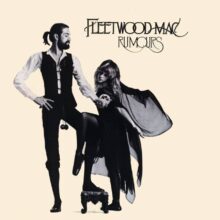
Presented by TEG Dainty, with creative oversight from former Fleetwood Mac co-manager Dennis Dunstan, the show will stage Rumours, song for song, with a full symphony.
Seventh Wonder has built a reputation for faithful, orchestral reinventions of Fleetwood Mac’s work, with meticulous arrangements and vocal harmony.
For this event, The Metropolitan Orchestra, conducted by Sarah-Grace Williams, will perform the Rumours album, alongside a career spanning selection of hits.
Mick Fleetwood reacted strongly to the orchestral show, saying, “On first hearing Seventh Wonder Orchestrated, it gave me goosebumps! Really, spooky good!”
With Dennis Dunstan providing creative oversight, organisers say the performance carries the spirit and artistic intention of the original band.
Producers promise sweeping visuals, precise musicianship, and the full sonic force of an orchestra housed inside the Opera House.
Paul Dainty added, “Fleetwood Mac Is One Of The Greatest Musical Forces Of Our Time.” He noted his history touring the band in Australia and New Zealand, and described the night as very special.
Organisers recommend booking early, tickets are expected to move quickly.
Rumours remains one of the most influential albums in rock history, its songs enduring across generations.
This authorised orchestral presentation offers audiences a rare chance to hear those songs reimagined, and performed with close attention to the original arrangements.
General public tickets go on sale at 11am, Thursday 11 December 2025.
The single performance is Saturday 14 February 2026, at the Sydney Opera House.
Fleetwood Mac’s Rumours, released on 4 February 1977, stands as one of the most significant albums in rock history, shaped as much by personal upheaval as by musical ambition.
Recorded largely in California throughout 1976, the album emerged during a period of profound emotional strain for the members of the band. Relationship breakdowns, shifting personal alliances, and the growing shadow of drug excess formed an environment that would have destroyed most groups. Instead, Fleetwood Mac channelled the volatility into a meticulously crafted collection of songs that reshaped their legacy and defined a generation of soft-rock.
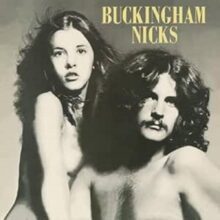
The album was conceived as a commercial follow-up to their 1975 self-titled release, which had been their first with the then-new lineup of Lindsey Buckingham and Stevie Nicks. That record delivered Fleetwood Mac their first No. 1 in the United States and brought the band global recognition.
With the core quintet now fully established-Mick Fleetwood, John McVie, Christine McVie, Buckingham and Nicks-the group entered the Rumours sessions determined to extend their momentum. Yet success arrived with a cost. Christine and John McVie had just divorced, Buckingham and Nicks were ending their relationship, and Fleetwood was managing his own domestic crisis. These fractures, combined with relentless touring schedules and an increasingly permissive studio lifestyle, created a situation where the only coherent conversations happening were through the music itself.
Working at the Record Plant in Sausalito before shifting to Los Angeles, the band immersed themselves in a long, expensive recording process that blended pop, folk, blues and soft-rock influences. Despite the tension, they aimed to produce an album with no filler-ten tracks that could each stand as potential singles. Guided by co-producers Ken Caillat and Richard Dashut, the sessions became a study in precision craftsmanship, with Buckingham’s exacting approach to arrangements contrasting against the emotional rawness of the subject matter.
That contrast produced enduring results. Rumours delivered four major singles-Go Your Own Way, Dreams, Don’t Stop and You Make Loving Fun-each drawn from the interconnected stories of the band’s dissolving relationships. Nicks’ Dreams became the group’s only U.S. No. 1, while Buckingham’s Go Your Own Way offered a sharper, more urgent perspective on the same breakup. Christine McVie’s writing provided warmth and optimism, even as she navigated her own emotional complexities, with Don’t Stop and Songbird emerging as signature moments.
Upon release, Rumours debuted as a commercial phenomenon. It became the band’s first No. 1 in the UK and topped the U.S. Billboard 200, eventually selling more than 40 million copies worldwide. Critics praised its clarity, harmonies and production, and the album won the Grammy Award for Album of the Year in 1978. Over time, Rumours has only grown in stature, regularly appearing in lists of the greatest albums ever made and earning preservation by the U.S. Library of Congress for its cultural impact.
More almost five decades on, Rumours remains a benchmark of melodic songwriting and emotional candour-an album forged in turmoil, executed with discipline, and remembered as Fleetwood Mac’s defining masterpiece.
Stay updated with your free Noise11.com daily music news email alert. Subscribe to Noise11 Music News here
Be the first to see NOISE11.com’s newest interviews and special features on YouTube. See things first—Subscribe to Noise11 on YouTube
Follow Noise11.com on social media:
Bluesky
Facebook – Comment on the news of the day