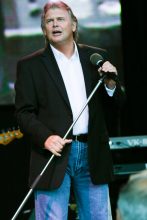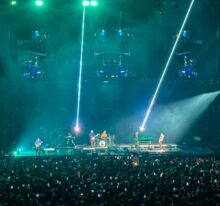

The Songs Of John Farnham has become the centre of a growing debate over ticket pricing after seats for the Victorian Government-backed event surged to as much as $1,650 during the public on-sale, despite government support for reforms targeting dynamic pricing.
by Paul Cashmere
The Victorian Government is facing criticism over its support of The Songs Of John Farnham: A Living Legend concert after fans discovered tickets for the September event at Rod Laver Arena had been subjected to dynamic pricing, pushing some premium seats to as much as $1,650. The backlash centres on a contradiction between the government’s consumer protection policies and its sponsorship of an event using a pricing model that governments around Australia are actively seeking to restrict.
The controversy erupted following the public ticket sale for the all-star tribute concert celebrating John Farnham’s music. While the event was promoted as a major Melbourne exclusive and a fundraising initiative for Head and Neck Cancer Australia, many fans were shocked by ticket prices that escalated dramatically in response to demand.
The issue hits at a time when the Albanese Government is pursuing reforms to Australian Consumer Law designed to ban dynamic pricing and other practices such as drip pricing and hidden fees. The proposed changes would classify algorithm-driven price increases during the purchasing process as unfair trading practices, placing them alongside conduct already targeted by consumer regulators.
Dynamic pricing has become one of the most contentious issues in the live entertainment business, with consumers increasingly questioning whether ticketing technology is delivering fair access to events or simply extracting the highest possible price from fans during periods of peak demand.
The Songs Of John Farnham concert was secured as a major Melbourne event with support from Visit Victoria and the Victorian Government. Minister for Sport and Major Events Steve Dimopoulos promoted the show as an exclusive live experience expected to deliver economic benefits to the state.
However, critics argue that government backing carries an expectation of consumer fairness, particularly when ticket prices rise dramatically during sales periods. Reports from fans purchasing tickets indicated that premium seating categories surged well beyond their initial advertised prices, while even restricted-view seats reached several hundred dollars.
The criticism is sharpened by Victoria’s own ticketing legislation. Under the Major Events Act 2009, the state actively regulates ticket scalping for declared major events. Tickets for protected events cannot legally be resold for more than 10 per cent above face value. Secondary sellers must disclose original prices and seating information, while substantial penalties apply to those breaching the rules.
The legislation was designed to protect consumers from excessive mark-ups in the secondary market. Yet opponents of dynamic pricing argue that the distinction between scalping and algorithm-driven price increases has become increasingly difficult for consumers to understand.
Under current law, a private citizen attempting to resell a ticket for several times its original value could face penalties. At the same time, primary ticketing platforms and event promoters remain legally able to increase prices according to demand before the initial sale is completed.
That distinction sits at the heart of the current criticism. Some fans argue that dynamic pricing effectively allows authorised sellers to achieve the same outcome that anti-scalping laws were designed to prevent, namely pricing ordinary consumers out of the market.
Supporters of dynamic pricing offer a different perspective. The ticketing industry has long argued that demand-based pricing reflects market conditions and can help ensure revenue remains with artists, promoters and event organisers rather than being captured by scalpers in the secondary market.
Promoters and ticketing companies also note that dynamic pricing is currently legal in Australia and remains widely used for major concerts and sporting events internationally. Under existing Victorian legislation, the practice applies only to primary ticket sales and does not breach anti-scalping laws.
Nevertheless, the political optics have proven challenging.
The Victorian Government has consistently supported consumer protection measures and worked alongside federal agencies examining reforms to ticketing practices. The federal government’s proposed crackdown on dynamic pricing and hidden fees has been framed as part of a broader response to cost-of-living pressures affecting Australian households.
Against that backdrop, critics question whether a government-supported event should be associated with a pricing system many policymakers have publicly criticised.
Public frustration has also been amplified by the event’s charitable purpose. Proceeds from The Songs Of John Farnham will support Head and Neck Cancer Australia, a cause closely linked to Farnham’s own health journey following his cancer diagnosis and treatment.
For some fans, the use of a demand-driven pricing model appears at odds with the community-focused message of a charity concert. Others argue that maximising revenue ultimately increases the amount available for charitable causes.
As the debate continues, The Songs Of John Farnham has become an example of the broader national conversation around ticketing fairness. With federal reforms advancing and state governments continuing to enforce anti-scalping measures, pressure is growing on policymakers to determine whether dynamic pricing should remain an accepted feature of Australia’s live entertainment industry or become the next target of consumer protection laws.
Minister for Sport and Major Events Steve Dimopoulos was invited to commented on Dynamic Pricing. He has so far not responded.
Stay updated with your free Noise11.com daily music news email alert. Subscribe to Noise11 Music News here
Be the first to see NOISE11.com’s newest interviews and special features on YouTube. See things first-Subscribe to Noise11 on YouTube
Follow Noise11.com on social media:
Facebook – Comment on the news of the day
Bluesky
Instagram
X (Twitter)