
by Paul Cashmere
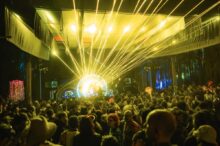
The cost of seeing live music has transformed dramatically over the past four decades, with arena and stadium concert ticket prices now outpacing inflation at a rate few other entertainment sectors can match. In the mid-1980s, a major concert ticket typically cost between $12 and $15. In 2026, premium tickets for the world’s biggest tours regularly exceed $500, while VIP packages can stretch beyond $1,000. The shift has fundamentally changed not only the economics of touring, but also the behaviour of audiences in Australia, North America and Europe.
The modern concert business now operates in a radically different environment from the era when artists relied primarily on physical album sales. In the 1980s and much of the 1990s, touring often served as a promotional vehicle for records. Today, streaming royalties pay artists fractions of a cent per play, forcing live performance to become the dominant source of revenue for many acts.
That transition has had a profound effect on pricing. A standard major concert ticket in the mid-1990s cost around $35 to $50. By the mid-2000s, average prices climbed to roughly $50 to $60 as file-sharing disrupted CD sales and labels began restructuring their business models around touring income. In today’s market, the average ticket for a major arena or stadium show sits around $130 to $150 before fees, with premium inventory dramatically higher.
The escalation has been fuelled by several parallel forces. Modern productions now involve enormous staging costs, including advanced LED systems, moving platforms, pyrotechnics, extended catwalks and cinematic visual effects. Audience expectations have also evolved, particularly in stadium pop where tours by artists such as Taylor Swift and Coldplay are increasingly viewed as large-scale cultural events rather than conventional concerts.
The introduction of dynamic pricing has added another layer of complexity. Ticketing systems now use algorithmic demand models to adjust prices in real time, effectively allowing promoters and ticketing companies to capture the resale value that previously flowed into secondary markets. Critics argue the model has normalised surge pricing for entertainment, while supporters maintain it reflects true market demand.
The issue is not new. In the mid-1990s, Pearl Jam launched a highly publicised antitrust battle against Ticketmaster over service fees and ticketing control. The band ultimately failed to break the company’s dominance, but the dispute foreshadowed many of the arguments now defining the modern touring economy.
Despite rising prices, live music demand remains strong globally, although attendance patterns vary sharply by territory. Across all adults, average annual concert attendance remains relatively low because a large percentage of the population attends no live events at all. In North America, the average adult attends roughly 0.8 to 1.2 concerts annually. The figure rises slightly in the UK and Europe, where attendance averages around 1.0 to 1.5 shows per year, while Australia tracks between 0.6 and 1.0.
However, those figures shift dramatically among active music consumers. Fans who regularly engage with live music attend an average of three to five events annually across all three regions. The industry is increasingly dependent on repeat buyers and highly committed “super-fans” willing to absorb escalating costs.
North America remains the world’s largest live music economy and is heavily driven by premium spending. Roughly 15 percent of concertgoers generate around 35 percent of all live music revenue through VIP experiences, platinum seating and official merchandise packages. Millennials aged between 28 and 43 dominate the market, accounting for nearly half of all ticket sales.
The North American market also contains the world’s highest concentration of large-scale arena and stadium tours. Legalised ticket scalping and sophisticated dynamic pricing systems have pushed gross revenues per show to unprecedented levels. At the same time, consumer research consistently shows younger audiences prioritising experiences over material purchases, helping sustain demand even during periods of economic uncertainty.
The UK and Europe present a different model. Geographic density and efficient public transport networks make concert attendance more accessible and encourage frequent travel between cities and countries. Festival culture remains deeply embedded in European music consumption, with events such as Glastonbury Festival, Tomorrowland and Hellfest drawing multi-generational audiences every year.
Europe also benefits from what industry analysts describe as “gig-tripping”, where fans routinely travel internationally using low-cost airlines or rail services to attend concerts and festivals. As a result, attendance is spread more evenly across age groups and income brackets than in North America.
Australia faces a very different reality. The country’s geographic isolation and the enormous cost of transporting international productions across long distances have created what many promoters privately describe as a “FOMO economy”. International tours are comparatively infrequent, encouraging audiences to spend heavily when major artists finally arrive.
That behaviour has become increasingly visible with stadium tours by acts including Bruce Springsteen and Pink, where fans routinely allocate significant portions of their annual entertainment budgets to a single event. Industry observers argue the trend has unintentionally weakened parts of the grassroots sector, with consumers diverting spending away from local venues and independent festivals.
Australian attendance patterns are also highly urbanised. Audiences in regional areas often face additional travel and accommodation costs simply to access major events in capital cities. According to figures from the Australia Council for the Arts and ABS reporting, approximately 38 to 45 percent of Australian adults attend at least one live music event annually, but participation remains concentrated in metropolitan centres.
Demographically, Millennials and Gen Z now dominate live concert attendance across all major territories, accounting for roughly 65 percent of stadium and festival audiences globally. Genre preferences, however, reveal major regional distinctions.
Pop remains the highest grossing category worldwide, but consumer behaviour differs by market. In Australia, major pop tours frequently cannibalise spending across other genres because audiences prioritise rare international events. In North America, pop has become heavily reliant on VIP upselling and premium ticketing.
Country music shows the clearest geographic divide. In North America, country rivals pop and rock as one of the industry’s largest live sectors, supported by loyal repeat audiences and large-scale outdoor festivals. Australia is currently experiencing rapid growth in country attendance, fuelled by the rise of “country-core” culture and the success of events such as CMC Rocks. In Europe, however, country remains comparatively niche despite isolated arena successes from touring American artists.
Rock and metal continue to demonstrate unusually resilient fan behaviour. European festival culture remains anchored heavily around hard rock and metal events, while Australia’s dedicated heavy music festivals, including Good Things and Knotfest Australia, have remained comparatively stable even as several broader multi-genre festivals collapsed under rising operating costs.
Electronic music has emerged as one of the most active sectors globally, particularly among younger audiences. Europe’s club culture sustains high-frequency attendance patterns, especially in cities such as Berlin, London and Ibiza. Australia has also experienced rapid growth in electronic music events, with dance festivals now accounting for a substantial share of the local market.
Hip-hop presents a more uneven picture. While rap dominates streaming globally, converting digital popularity into sustainable touring economics has proven difficult outside the very top tier. In North America, a small number of stadium-level acts generate the bulk of live revenue while many mid-tier tours struggle financially. Europe maintains a stronger local ecosystem around regional genres including grime and Afro-beats, while Australia remains heavily dependent on imported international acts.
The broader question facing the industry is whether current pricing trends are sustainable. Live music revenues continue to climb globally, but concerns are growing that rising costs may increasingly narrow audiences toward affluent repeat buyers while limiting broader accessibility. For now, however, demand for live experiences continues to outweigh consumer resistance, particularly for major international tours that have evolved into cultural events as much as concerts.
Stay updated with your free Noise11.com daily music news email alert. Subscribe to Noise11 Music News here
Be the first to see NOISE11.com’s newest interviews and special features on YouTube. See things first—Subscribe to Noise11 on YouTube
Follow Noise11.com on social media:
Bluesky
Facebook – Comment on the news of the day