
Unprecedented Demand For Rare Kraftwerk Artefacts
Julien’s Auctions has revealed the full results of The Florian Schneider Collection, a landmark event held on 19 November 2025 at the Musicians Hall Of Fame And Museum in Nashville. The sale drew international attention, with more than 450 items from the personal archive of the late Kraftwerk co-founder Florian Schneider offered to collectors, historians, and musicians. The auction produced extraordinary figures, confirming Schneider’s central role in shaping the sound and direction of modern electronic music.
A Legacy That Inspired A Global Bidding Frenzy
Kraftwerk’s influence is woven through the history of contemporary music, with Schneider and Ralf Hütter establishing the group in Düsseldorf in 1970. The pair met two years earlier at the Academy of Arts in Remscheid, before developing their early improvisational ensemble Organisation. Schneider’s formative period included work with Eberhard Kranemann and performances that merged flute, bass textures, tape manipulation, and experimental electronics. He later relinquished acoustic instruments after the release of Autobahn in 1974, choosing a more advanced palette of synthesizers, vocoders, and self-designed sound processors.
Collectors were aware of the significance of this material, and bids soared far beyond estimates. The Kling Klang Sennheiser VSM-201 Vocoder in its original case sold for $256,000, a figure more than eight times its valuation. The stage-played EMS Synthi A Suitcase Synthesizer reached $115,200, eclipsing estimates by more than fourteen times. Schneider’s Panasonic Panaracer Road Bike, featured in the Tour De France video, commanded $57,600, also more than fourteen times its estimate. A rare Kraftwerk lenticular print finished at $25,600, sixty-four times its original estimate.
Revealing The Private World Of A Reclusive Innovator
Schneider lived privately, rarely giving interviews and avoiding public appearances. He maintained a strict and often guarded approach to creative work, focusing on the precise design of sound, vocoding, and the manipulation of electronic language. His innovations, including the patented Robovox system, defined Kraftwerk’s identity and influenced generations of producers, from early synthpop to contemporary electronic and ambient artists.
The auction offered a rare look into this private world. A “Ruhe” electric Kling Klang studio sign sold for $19,200, more than thirty-eight times its estimate. A Robovox and Votrax Silver Rack Case with phoneme keyboard reached $76,800, while a Korg PS-3200 Polyphonic Synthesizer matched its $25,600 result. Each item illustrated the precision, engineering curiosity, and performance requirements that shaped Kraftwerk’s studio-to-stage methodology.
A spokesperson for the Schneider estate confirmed that the auction fulfilled Florian’s own requests. His handwritten will outlined a desire for his instruments to continue to be played and explored. He wanted them placed with musicians, collectors, and creators who respected the art of sound and would give the equipment an active future.
Honouring A Foundational Architect Of Modern Electronic Music
Schneider’s impact extends far beyond Kraftwerk’s albums and tours. His approach influenced artists across rock, pop, electronic, film composition, and sound art. David Bowie paid tribute with V-2 Schneider on Heroes, reflecting the deep connection between Schneider’s sonic experimentation and Bowie’s late-1970s Berlin period.
Schneider departed Kraftwerk in 2008, leaving a catalogue that continues to define electronic music’s conceptual and aesthetic framework. His death in 2020 prompted tributes from across the globe, including a performance of Das Model on the bells of St Martin’s Cathedral in Utrecht. Kraftwerk’s induction into the Rock And Roll Hall Of Fame in 2021 further cemented his status as a key figure in 20th and 21st-century music.
A Museum, A Moment, A Monument To Electronic Culture
The Musicians Hall Of Fame And Museum hosted the sale, adding another cultural milestone to its long history. Founded by Joe and Linda Chambers and relocated to its current home in 2013, the museum honours musicians across all genres. It houses instruments used in the creation of many of the most recognisable recordings in popular culture and remains a respected institution for education and preservation.
With The Florian Schneider Collection, Julien’s Auctions delivered a once-in-a-generation event. The sale affirmed Schneider’s creative genius, Kraftwerk’s global importance, and the continuing relevance of electronic innovation. The results also signalled that these cultural artefacts, once hidden inside the legendary Kling Klang studio, now begin a new chapter with caretakers who recognise their significance.
Full details of the auction are here
Key Results From The Florian Schneider Collection
Kling Klang Sennheiser VSM-201 Vocoder In Original Case, $256,000
Stage Played EMS Synthi A Suitcase Synthesizer, $115,200
Robovox And Votrax Silver Rack Case With Phoneme Keyboard, $76,800
Panasonic Panaracer Road Bike From The Tour De France Video, $57,600
1964 Volkswagen Type 2/T1 Kastenwagen, $44,800
Kraftwerk Lenticular Print, $25,600
Korg PS-3200 Polyphonic Synthesizer With PS-3010 Keyboard, $25,600
“Ruhe” Electric Kling Klang Recording Studio Sign, $19,200
1960s Stage And Studio-Played Orsi Albisiphon Bass Flute, $12,800
1981 Computer World Tour Japanese Concert Poster, $5,120
1982-1986 Keilwerth Toneking 3000 Jazzophone, $5,120

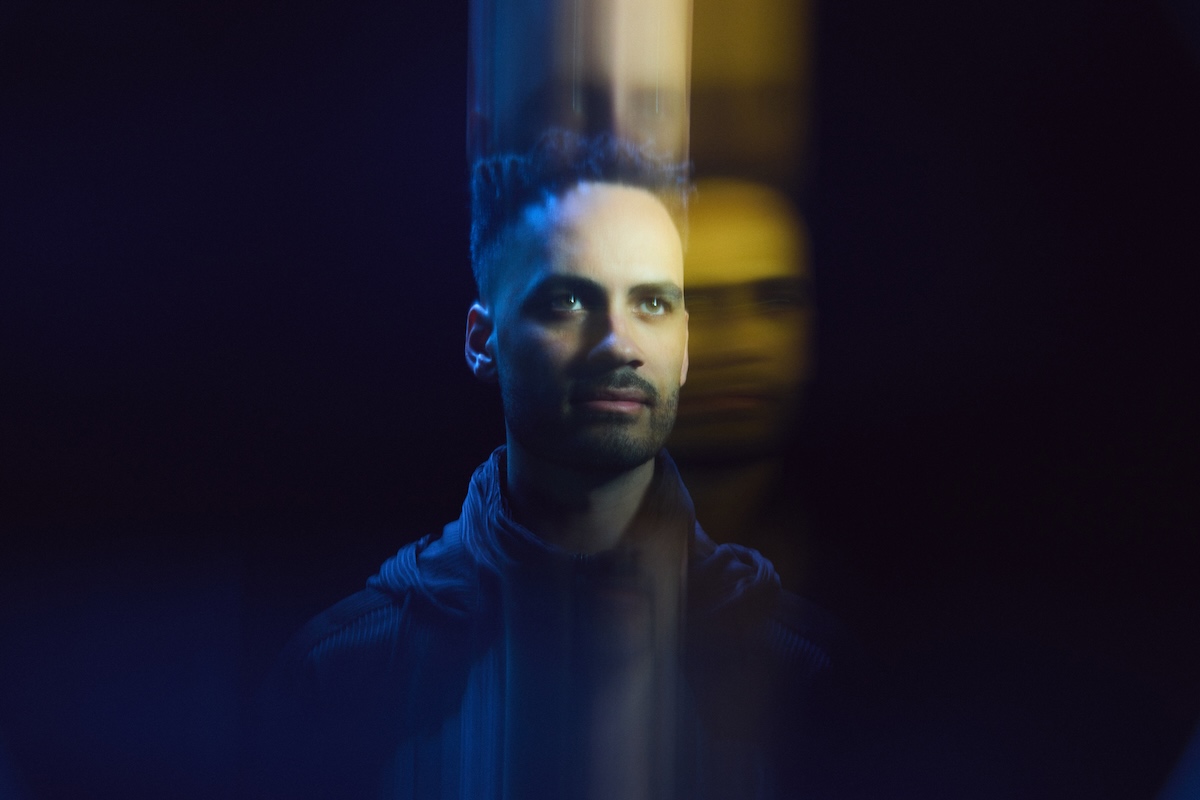
Credit: Ben Broomfield
Credit Social: @photobenphoto
Copyright: Ben Broomfield Photography
photo@benbroomfield.com
www.benbroomfield.com
Stay updated with your free Noise11.com daily music news email alert. Subscribe to Noise11 Music News here
Be the first to see NOISE11.com’s newest interviews and special features on YouTube. See things first—Subscribe to Noise11 on YouTube
Follow Noise11.com on social media:
Bluesky
Facebook – Comment on the news of the day